

Raw Deal: The Hidden Risk in Imbalanced Agreements
Some deals seem rigged from the start, placing most of the risk on one party. Why do so many agreements tip the scales unfairly? Even seasoned professionals like Mark Kaminsky have faced harsh terms that leave them exposed.
Why it matters: One-sided deals can hurt negotiations and weaken your position in the market.
This article explains what a raw deal really means and highlights the risks of agreements that don’t offer a balanced exchange. It offers a clear look at why fair treatment matters when you’re entering a negotiation.
Raw Deal Explained: Unfair Treatment Defined
A raw deal describes an agreement that is unbalanced or harsh. Here, raw means unrefined while deal refers to a bargain. In everyday use, the term points to situations where one party ends up shouldering too much risk or responsibility.
For example, Mark Kaminsky, a skilled professional, was pushed into dangerous assignments after leaving the FBI in Raw Deal. This case shows that even talented individuals can face unfair and risky challenges.
Why it matters: Recognizing a raw deal helps identify situations where one side takes on excess risk without fair rewards.
Typically, a raw deal involves a clear lack of reciprocity. The parties did not start on equal footing. One side shoulders most of the burden compared to their contribution. This imbalance goes beyond simple unfairness, signaling deeper exploitation in both personal and professional deals.
Origins of Raw Deal: Etymology and Early Uses

The word raw first appears in the Oxford English Dictionary in 1853, defined as "rough, unprocessed." That definition painted a picture of something natural and unrefined, a foundation for later, more figurative uses.
Deal comes from the Old English term dæl, meaning "portion, distribution, or agreement." Over time, the word grew to mean a bargain or trade, spotlighting elements of negotiation and balance in a transaction.
The phrase raw deal appeared in print as early as 1905 in a New York Tribune article. It soon found its way into boxing slang by the 1920s, hinting at unfair and lopsided arrangements.
By combining the notion of raw, unrefined harshness with the concept of a deal built on exchange, the phrase evolved into the modern term we use today. Now the idiom criticizes situations where one side takes on excessive risk without fair returns. Why it matters: The term captures a clear warning about unbalanced agreements, a notion that still resonates in legal and business discussions.
Raw Deal in Context: Everyday Examples of Unfair Treatment
A raw deal happens when one side ends up with most of the risk or gives more than they get, whether in business, legal settings, or personal dealings. This term is used to flag unfair arrangements and uneven exchanges.
Why it matters: Recognizing raw deals can prompt a quick review of agreements, helping investors and executives avoid imbalances that could hurt profits or strategy.
Consider these everyday examples:
- Business negotiations: A merger might offer one party far more concessions than benefits.
- Legal rulings: Some plea deals force defendants to face harsher penalties compared to others in similar cases.
- Sports contracts: Rookie athletes might sign deals well below their market value, despite their contributions.
- Customer service disputes: Voided warranties can leave customers paying for unexpected repair costs.
- Employment agreements: Unpaid internships may require interns to handle heavy workloads without compensation.
- Interpersonal relationships: Sometimes one person consistently gives more effort, creating an unfair imbalance.
Each case shows a different angle of an unfair setup. By calling out raw deals, stakeholders can better spot where responsibilities or benefits are unevenly spread, prompting negotiations for more balanced terms.
Raw Deal in Popular Culture: Case Study of the 1986 Film
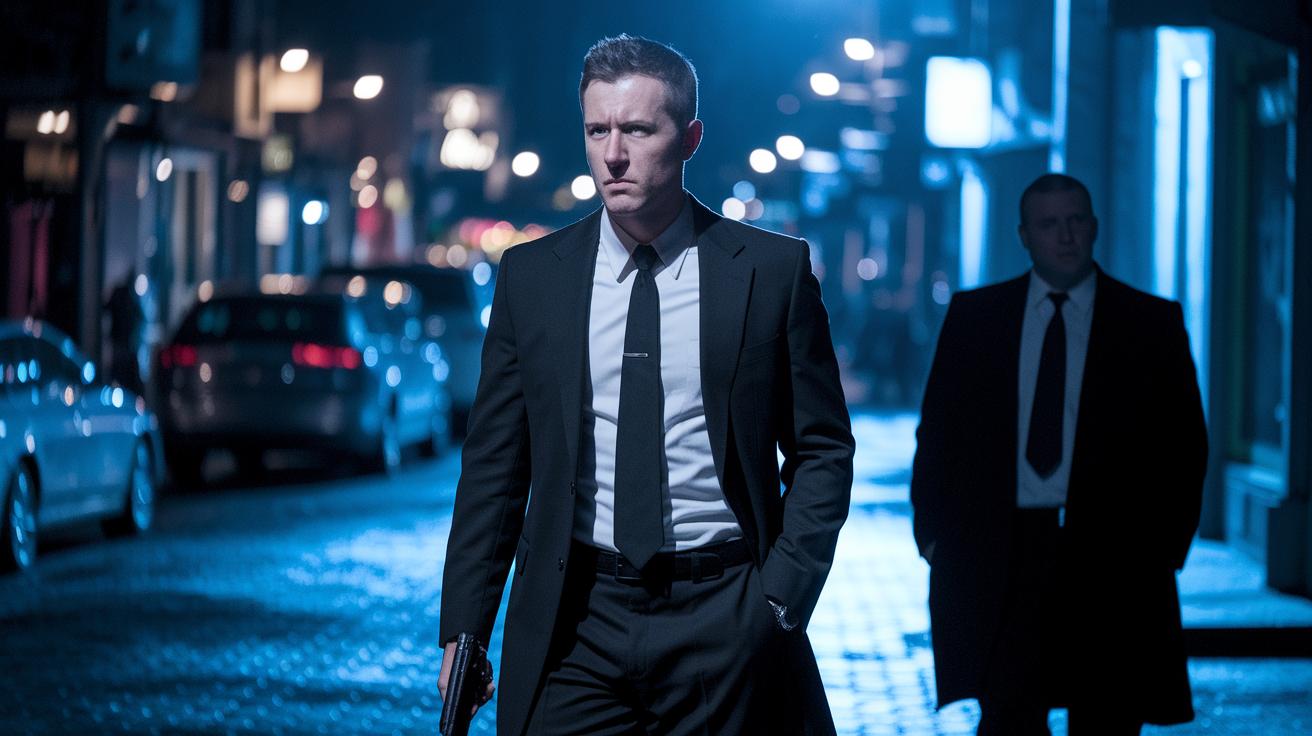
FBI agent Mark Kaminsky takes a hard hit in Raw Deal. Expelled for his tough tactics, he is forced into an undercover mission to break up mob boss Patrovina's network. Why it matters: This forced role shows that even top agents can be set up by systems that value goals over fairness.
Starring Arnold Schwarzenegger alongside Kathryn Harrold and Robert Davi, the film is backed by a strong production team. Produced by Martha and Dino De Laurentiis with a screenplay from Norman Wexler and Gary DeVore, Raw Deal hit theaters in Canada on June 6, 1986, with an R rating. It later opened in the UK on August 6 (rated 18) and in Japan on September 6 (rated R15+).
Audiences and critics alike were drawn to Kaminsky’s struggle. They saw a skilled agent caught in a rigged system that pushed him into dangerous compromises. The film not only entertains but also offers a clear commentary on how institutional imbalances can force even the best professionals into hard, unfair situations.
Raw Deal and Fairness: Ethical Implications in Society
Fairness frameworks such as distributive justice (fair allocation of resources) and contract ethics (studies of fairness in agreements) show why a raw deal signals a moral failing in negotiations. A raw deal means that one party assumes more risk and receives less benefit, exposing a clear imbalance of power. This imbalance forces a closer look at outdated contract standards that leave vulnerable parties exposed.
Labor exploitation and one-sided contracts provide clear examples of this issue. Workers forced into long hours for minimal pay or professionals trapped in unfair agreements face conditions that defy basic fairness. In response, regulators and corporate leaders are calling for practices that correct these inequities. Recognizing a raw deal can drive reforms that restore balance and uphold ethical standards in both personal and business dealings.
Alternatives to Raw Deal: Synonym Comparison Table

Synonyms refine how we discuss unfair treatment, making it easier to target the right tone for each conversation. They help in legal reviews, contract talks, and even everyday debates by offering precise alternatives that match the context, whether it's a consumer complaint, a workplace dispute, or a personal setback. The table below lays out clear, targeted options that capture the essence of a raw deal, helping you communicate issues of imbalance and injustice effectively.
| Phrase | Usage Context | Formality | Connotation |
|---|---|---|---|
| bad deal | consumer complaints | neutral | general unfairness |
| tough break | personal misfortune | casual | sociable tone |
| raw end of the stick | colloquial speech | casual | worst position |
| unfair shake | workplace disputes | neutral | mild protest |
| rough deal | legal negotiations | formal | direct critique |
| hard row to hoe | broader challenges | idiomatic | effortful adversity |
Final Words
In the action, the article broke down how a raw deal represents unfair treatment and detailed its origin, everyday examples, and ethical implications. It offered insight into the term's evolution from literal meaning to a broader critique of power imbalances.
The discussion also touched on the film's case study and compared alternatives for describing injustice. The piece provides business and moral perspectives that help sharpen decision-making in market situations. The focus remains on clarifying what a raw deal is and why it matters in today’s landscape.
FAQ
Raw Deal where to watch
The Raw Deal film can be watched via various streaming platforms and digital rental services. Check popular providers like Amazon, iTunes, or your local streaming service for current availability.
Raw Deal movie
The Raw Deal movie is an action thriller starring Arnold Schwarzenegger, where an FBI agent is forced into a dangerous mission following a betrayal, creating a compelling narrative of injustice.
Raw Deal cast
The Raw Deal cast includes Arnold Schwarzenegger, Kathryn Harrold, and Robert Davi, among others, who deliver strong performances in a story centered on forced duty and unfair situations.
Raw Deal trailer
The Raw Deal trailer provides a brief look at the film’s high-energy action and dramatic moments, highlighting key scenes that set up the tension and injustice in the storyline.
Raw Deal (1986)
The Raw Deal (1986) refers to the original film directed by John Irvin, noted for its gritty narrative and action sequences that explore themes of betrayal and unjust circumstances.
Raw Deal wiki
The Raw Deal wiki offers a detailed overview of the film, including its plot, production background, cast details, and critical reception, serving as a comprehensive resource for fans and researchers.
Raw Deal review
The Raw Deal review analyzes the film’s narrative and action, noting its mix of intense sequences and a story of betrayal. Critics have offered mixed opinions on its execution and overall impact.
Raw Deal 4K
The Raw Deal 4K version represents a high-resolution format of the film, offering viewers enhanced picture quality and detail, which is ideal for those seeking an improved cinematic experience.
What does raw deal mean?
The term “raw deal” means an instance of severe unfair treatment or an unjust arrangement, often indicating that someone has been left with a significant disadvantage without reciprocal benefit.
Was the raw deal a hit or flop?
The film Raw Deal received mixed feedback from critics and audiences, with some praising its action and others critiquing its plot, leading to a divided opinion on its success and market impact.
What does it mean to be given a raw deal?
Being given a raw deal means experiencing a situation where the treatment is notably unfair or unbalanced, leaving one at a disadvantage and often feeling exploited or mistreated.
What is the raw deal?
The term raw deal can refer to an unfair, one-sided situation, or specifically to the 1986 action thriller film that depicts an FBI agent’s forced and unjust predicament on a dangerous mission.
What is the connection between Raw Deal and films like Red Heat, Twins, Commando, True Lies, Last Action Hero, End of Days?
The connection lies in a shared action movie spirit, as each film—including Raw Deal—features high-octane sequences, strong central characters, and narratives built around dramatic, often one-sided, conflicts.