


Missing a step in your supply chain can sink your business. Mapping every phase, from raw material sourcing to customer delivery, reveals where margins flourish and costs escalate.
Why it matters: Leaders can use this clear framework to invest in high-return areas and cut unnecessary expenses.
In our analysis, we identify three critical value chain elements behind strategic success. Each informed decision along the chain directly boosts a company’s bottom line.
Defining the Industry Value Chain Framework
An industry value chain shows the journey of a product from raw material sourcing to manufacturing, distribution, and final sale. Mapping this chain helps executives see where margins are strongest and where costs can hog profits. For example, supplier decisions or unique product features can shift profitability across the chain.
Why it matters: Knowing which steps drive profit means leaders can focus investments where they count and cut costs at inefficient points.
Mapping the value chain gives business decision makers a clear look at key performance steps. It highlights where to save costs or inject capital so every step boosts overall margins. A simple diagram can outline the process and pinpoint profit drivers. Key steps include:
- Raw material sourcing
- Manufacturing and production
- Distribution and logistics
- Final sale and customer delivery
Each stage requires strategic choices. Decisions made when selecting suppliers or setting prices ripple through the entire process. By visualizing the value stream, executives can spot where small changes might deliver big savings. For instance, improving manufacturing may cut production costs, while fine-tuning distribution can speed up deliveries and delight customers.
A close review of every phase lets companies target investments for maximum returns and plan for potential risks. Defining and analyzing the value chain is essential for uncovering profit opportunities and managing costly areas effectively.
Breaking Down the Core and Support Activities in an Industry Value Chain
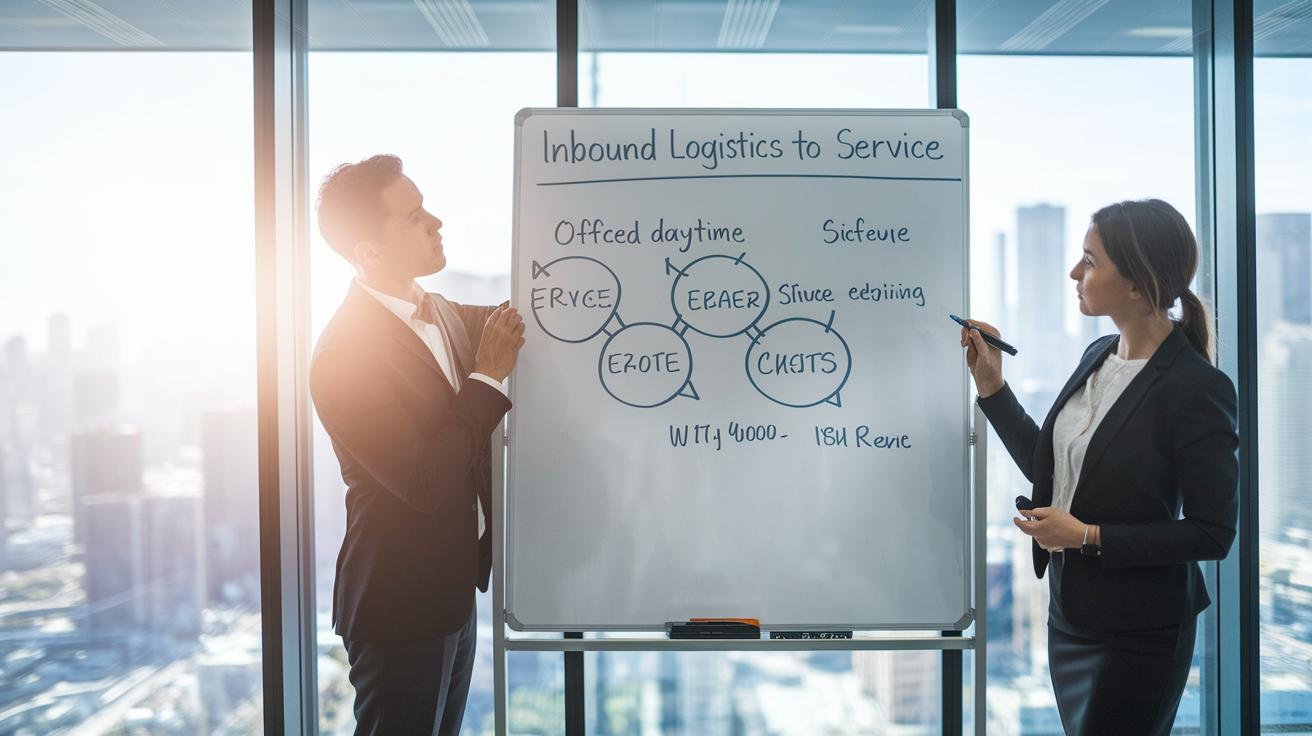
A Porter-style review splits the value chain into two groups. Primary activities build value directly. They include inbound logistics, operations, outbound logistics, marketing & sales, and service. Inbound logistics handles raw materials; operations turn these into finished goods; outbound logistics gets the product to market; marketing & sales drive revenue; and service keeps customers coming back.
Why it matters: Knowing which activity affects cost and value helps decision makers focus investments that boost margins.
Support functions back up these main steps. Infrastructure covers overall management and administrative needs. HR builds a capable team, technology drives process improvements, and procurement manages supplier relationships to keep costs low.
Companies study both groups to pinpoint where to improve efficiency and boost performance. This approach helps them identify cost drivers and opportunities to add value.
| Activity Type | Details (Examples & Metrics) |
|---|---|
| Primary Activities | Inbound logistics (timeliness, inventory turnover), Operations (production efficiency, defect rate), Outbound logistics (delivery speed, distribution cost), Marketing & Sales (conversion rate, revenue per customer), Service (customer satisfaction, response time) |
| Support Functions | Infrastructure (overhead ratio, operational efficiency), HR (employee productivity, turnover rate), Technology (system uptime, innovation performance), Procurement (cost savings, supplier reliability) |
By breaking down these activities, executives can clearly see where to invest and drive better performance in an increasingly competitive market.
Visualizing Industry Value Chains: Diagrams and Mapping Techniques
Graphical tools simplify complex industry value chains and turn intricate processes into clear, actionable steps. Flowcharts outline every stage, from sourcing raw materials to production and distribution, making it easy to follow the chain. Value-stream maps track how materials and information flow through the system, exposing cost hotspots and pinpointing bottlenecks that could hinder efficiency. Performance matrices merge hard numbers with visual cues to highlight performance at each stage, helping teams understand how individual actions impact overall results.
Why it matters: Clear visual tools guide executives in identifying inefficiencies and prioritizing investments for strategic improvements.
Simple diagrams boost stakeholder collaboration. A straightforward flowchart lays out each step, while a value-stream map brings attention to delays that might drive up costs. Meanwhile, performance matrices measure process effectiveness, equipping decision-makers with the data they need to direct investments. These visual models prove invaluable during both internal audits and strategic planning sessions, allowing leaders to spot trends and drive meaningful change.
| Diagram Type | Strengths | Best Practice Applications |
|---|---|---|
| Flowchart | Simple, step-by-step representation | Mapping sequential processes |
| Value-stream Map | Highlights bottlenecks and cost centers | Identifying margin hotspots |
| Performance Matrix | Quantifies performance metrics | Cross-functional performance reviews |
Applying Value Chain Analysis for Strategic Planning and M&A

Value chain analysis gives executives a clear framework to identify cost drivers, use economies of scale, and spot opportunities for economic synergy. This method helps business leaders uncover cost pressures and ways to boost margins during mergers and acquisitions, so they can quickly assess integration risks and benefits. A focus on choosing reliable suppliers and streamlining processes can turn small efficiency gains into strategic assets.
Key takeaway: Value chain analysis guides leaders on whether to pursue backward integration or target new market entry.
Strategic planning gets a boost when hidden cost centers are exposed. For example, discovering production inefficiencies might lead to investments in new technology that improve processes. In M&A, detailed mapping of the value chain shows where margin gains are possible. Executives use these insights to check supplier stability and pinpoint risks that could derail integration.
This approach also helps balance short-term returns with long-term strategy. Leaders often rely on value chain reviews to refine their sourcing strategies and negotiate deal terms that work. The analysis highlights where to focus operational investments and provides a tactical edge in competitive bids. Companies can structure deals that build on core strengths and necessary support functions while cutting redundant costs.
For more on capturing and monetizing inter-company value, see Strategies for monetizing platform ecosystems effectively.
- Review supplier reliability and production turnaround times
- Explore process improvements to cut overhead
- Identify integration bottlenecks and synergy opportunities
These steps guide leaders in managing risk and making strategic decisions that lay the foundation for sustainable growth.
Industry Value Chain Profiles: E-Commerce, Healthcare, and Financial Services
E-commerce businesses prioritize a smooth online experience that attracts and retains customers. By managing platforms efficiently and using advanced warehousing and fulfillment processes, companies ensure inventory moves quickly. Fast last-mile delivery and excellent customer service build strong brand loyalty. One top online retailer, for instance, uses automated warehousing that cuts shipping times and reduces costs. Why it matters: Fast and reliable orders directly boost competitiveness and revenue.
Healthcare providers work in a tightly regulated market where clinical operations and supplier sourcing have to meet strict standards. They integrate digital patient records with automated billing to streamline both clinical care and administrative tasks. A regional hospital network recently boosted its margins by aligning its digital processes with patient care protocols. Why it matters: Simplifying operations in healthcare helps control costs while maintaining high-quality patient outcomes.
Financial services firms depend on well-designed products and flawless transaction processing. They put risk management at the forefront to handle market volatility and regulatory demands. Digital platforms allow banks and insurers to extend their reach, while robust IT and customer support keep operations steady. A major financial institution has revamped its product design and risk assessment models, making processes leaner and more resilient. Why it matters: Clear risk management and operational efficiency are key to building investor confidence and regulatory trust.
| Sector | Primary Activities | Key Performance Challenges |
|---|---|---|
| E-commerce | Platform management, warehousing, fulfillment, last-mile delivery, customer service | Inventory turnover, delivery speed, service responsiveness |
| Healthcare | Supplier sourcing, clinical operations, regulatory compliance, billing, post-care service | Cost control, technology integration, patient outcome tracking |
| Financial Services | Product design, transaction processing, risk management, distribution channels, support functions | Error reduction, market sensitivity, regulatory compliance |
Each sector demands a tailored strategy. Their distinct processes and challenges highlight why specialized value chain mapping is critical for strategic success.
Best Practices and Tools for Conducting Industry Value Chain Analysis

Analysts need a clear view of costs and margins at every step to conduct effective value chain analysis. They mix public data with targeted research to fill in gaps on margin estimates and sourcing strategies. Start by defining key performance indicators, such as cost per stage, throughput time, and margin by segment. For example, one firm reduced its production cycle by 15% by focusing on key process metrics.
Why it matters: Clear KPIs help executives identify where efficiency gains can rapidly boost performance.
Next, map your operations using specialized flow-mapping software. This tool visually outlines core activities and exposes workflow bottlenecks that could be slowing down processes. A complete map then serves as the basis for a roadmap to guide improvements and investments.
Key steps include:
- Set clear KPIs to track costs, cycle times, and quality.
- Utilize flow-mapping tools to outline processes and highlight inefficiencies.
- Create a process improvement roadmap to prioritize upgrades.
- Regularly monitor performance using real-time dashboards, such as those in the Building Real-Time Data Dashboards for Executive Decision-Making (https://sharingeconom.com?p=1764).
Ongoing analysis of performance metrics and workflow streams creates a culture of continuous improvement. Leveraging these tools and methods allows decision-makers to swiftly adjust operations so that each step in the value chain drives overall business growth.
Final Words
In the action, our discussion traced the flow from raw-material sourcing to final sale within the industry value chain. We broke down the core and support activities, outlined diagrammatic mapping techniques, and explored value chain insights that can guide M&A and strategic planning.
Key nodes and performance metrics were detailed, offering a step-by-step approach to risk and opportunity forecasting. The framework offers actionable guidance that supports faster, better-informed decision-making in the industry value chain. Positive signals drive clear strategic advantages.
FAQ
What is an industry value chain example and analysis?
The industry value chain analysis examines how a product moves from raw materials to final sale, outlining profit points and cost centers through a series of linked business activities.
What is an industry value chain diagram?
An industry value chain diagram visually maps the steps from raw-material sourcing to product delivery, highlighting margins, cost issues, and key value-driving nodes within a market.
How does the industry value chain differ from the firm value chain?
The industry value chain covers the full market process from sourcing to sale, while the firm value chain focuses on a company’s internal operations and revenue-generation activities.
What does an industry value chain PDF offer?
An industry value chain PDF typically provides a detailed framework with illustrations of process nodes, profit drivers, cost accumulations, and structured guidelines for strategic planning.
How does a value chain differ from a supply chain?
The value chain focuses on adding customer worth at every step from design to sale, whereas the supply chain addresses the logistics, material flows, and operational efficiency of delivering that product.
What are the primary activities of a value chain?
The primary activities include inbound logistics, operations, outbound logistics, marketing and sales, and service; each step contributes directly to creating customer value and enhancing margins.
What is involved in value chain development?
Value chain development involves continuously improving each activity to drive efficiency, reduce costs, and increase profit through targeted reviews and strategic investments.
What are the five components of a value chain?
The five components are inbound logistics, operations, outbound logistics, marketing and sales, and service; together, they manage cost distribution and drive revenue throughout the process.
What are the four elements of the value chain?
The four elements typically include primary activities, support activities, cost structure, and profit attribution; each factor is essential in understanding overall value creation and margin effects.
What are the 7 C’s of SCM?
The 7 C’s of SCM represent key principles in supply chain management such as customer, cost, control, communication, collaboration, capabilities, and continuity, which guide operational efficiency.
What is an industry chain?
The industry chain represents the full sequence from resource extraction to product consumption, outlining the interconnected activities and relationships among different market players.