
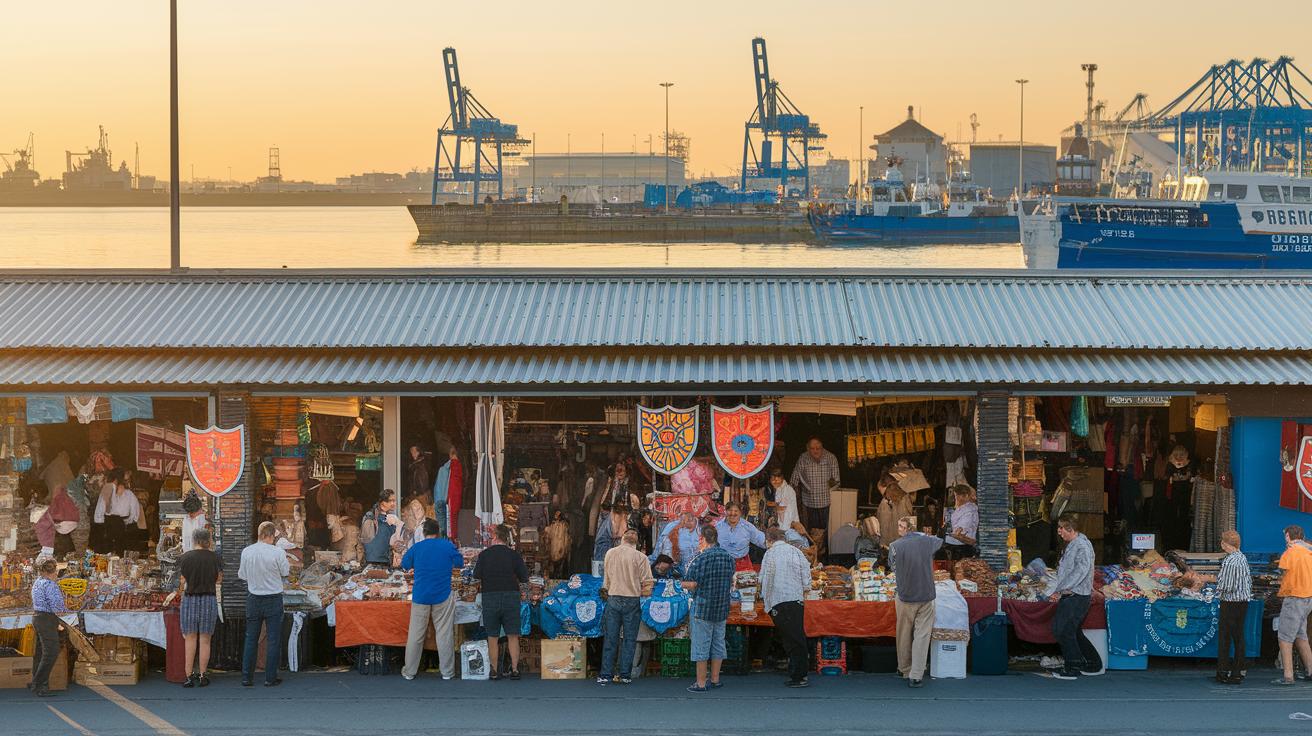

Governments worldwide are tightening import controls with tariffs and quotas. Local companies now face less global pressure, which boosts job security and steadies economic growth.
Why it matters: Protectionist policies let domestic industries concentrate on producing essential goods while keeping supply chains local. This shift could strengthen home markets and provide communities with more stable economic opportunities.
This report examines how such measures encourage homegrown production and build a robust domestic market that benefits not only businesses but every community.
Understanding Protectionist Policy: Definition and Objectives
Governments use protectionist policies to limit imports and shield local businesses. They apply tools like tariffs, quotas, subsidies, import licensing, and voluntary export restraints. For instance, a country might impose high tariffs on foreign cars to protect its own auto industry. Historically, these measures helped counter offshoring that sometimes weakened job security and widened income gaps.
The main goal of these policies is to safeguard domestic jobs and keep the economy stable. By reducing the flow of imported goods, the government can boost local production, strengthen domestic trade, and secure supply chains. This approach reflects a belief in economic nationalism, treating local industries as vital to national stability and pride. Moreover, reducing dependencies on foreign markets can help ease social tensions linked to regional disparities and falling labor participation.
Governments adopt protectionist measures for both practical and political reasons. They argue that supporting local enterprises contributes to overall economic health and reduces reliance on international markets. By creating a level playing field, local businesses are allowed to grow without the pressure of fierce global competition. Ultimately, these policies aim to revitalize industries hurt by globalization and ease the socio-economic challenges of rapid, unrestricted trade.
Protectionist Policy Mechanisms: Tariffs, Quotas, Subsidies and Licensing
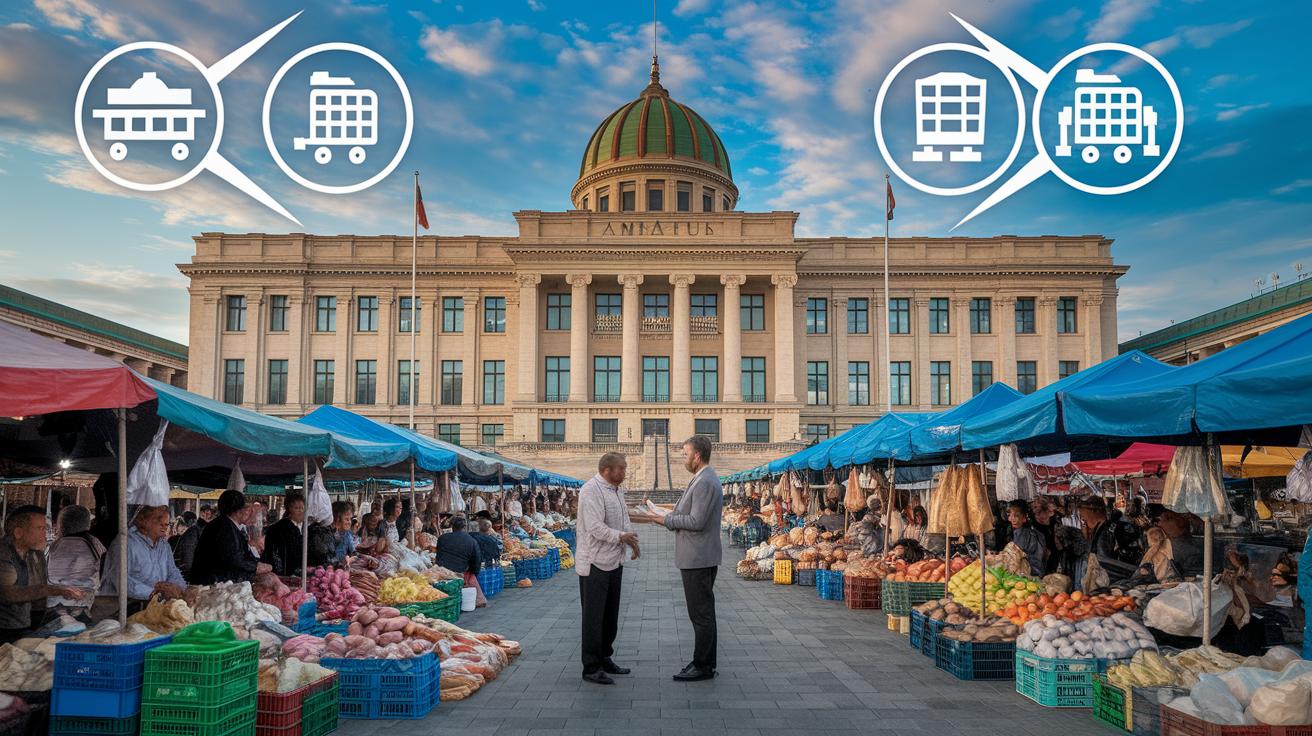
Governments adopt protectionist policies to strengthen domestic markets and support local industries. They use measures that limit foreign competition and offer a more stable pricing environment. Tariffs, for instance, add a tax to imported goods, making them less competitive compared to local products. Quotas set a hard limit on import quantities, while subsidies provide direct financial support to domestic companies, helping them compete on a level playing field. Import licensing requires companies to secure government approval before bringing certain products into the country. In some cases, voluntary export restraints are used when foreign governments agree to cap their own exports to avoid the imposition of steeper tariffs.
These tools, whether used alone or in combination, guide market dynamics, manage pricing, and secure national economic interests.
- Tariffs
- Quotas
- Subsidies
- Import Licensing
- Voluntary Export Restraints
| Mechanism | Description | Historical Example |
|---|---|---|
| Tariffs | Taxes on imported goods that drive up prices and reduce import reliance. | U.S. 19th-century tariffs over 30% |
| Quotas | Fixed limits on the number of units that can be imported. | Textile import restrictions |
| Subsidies | Direct funding to domestic companies to lower production costs. | 1933 Buy American Act initiatives |
| Import Licensing | Mandatory government approval before certain goods can be imported. | Applied in sensitive technology sectors |
| Voluntary Export Restraints | Arrangements where exporting nations cap exports to avoid harsher tariffs. | Used during 1980s trade negotiations |
Historical Evolution of Protectionist Policy
Between the 16th and 18th centuries, mercantilist policies ensured that state-controlled monopolies directed trade. Governments steered economic activity to boost national wealth and power. By limiting foreign competition, European nations made sure domestic resources supported their own economic and strategic goals.
In the 19th century, the United States imposed tariffs often exceeding 30% to protect its developing industries. These high tariffs shielded young businesses and generated steady government revenue. This approach marked a period when U.S. economic policy clearly favored national interests over an open market.
During the 20th century, protectionist measures evolved further, especially during economic downturns. Landmark policies like the 1930 Smoot-Hawley Act and the 1933 Buy American Act were designed to protect American jobs amid the Great Depression. Later, in the post-World War II era, initiatives such as the General Agreement on Tariffs and Trade and early NAFTA discussions signaled a shift. Although these efforts promoted global economic integration, they still considered domestic concerns.
Protectionist Policy Boosts Robust Domestic Trade

Major economies are using protectionist measures to defend local industries. Under the Trump administration, the U.S. withdrew from the Trans-Pacific Partnership, rewrote NAFTA, and imposed steel and aluminum tariffs while engaging in a trade war with China. These actions aimed to boost domestic manufacturing and protect American jobs.
Under President Biden, the focus has shifted toward reshoring production in key sectors that add high value. The goal is to increase domestic employment and counter aggressive foreign pricing practices.
Why it matters: These shifts can reshape market strategies and influence where companies invest.
Meanwhile, China is following its own playbook under the Made in China 2025 initiative. By offering state subsidies, imposing export restraints, and providing preferential financing, China strengthens industries like renewable energy and advanced manufacturing. Regulatory measures also help reduce its reliance on overseas markets.
Why it matters: Both countries see tailored protectionist policies as essential for bolstering core industries and sustaining stable domestic trade during turbulent global market conditions.
Economic and Political Effects of Protectionist Policy
Protectionist policies boost local production and help keep jobs at home by reducing reliance on foreign imports. However, these measures can increase the cost of imports, driving up prices for consumers and businesses. For example, imposing higher tariffs on imported steel may support domestic mills initially but eventually leads to pricier end products that affect the entire economy.
These policies can also hurt industry efficiency. With less competition, companies often miss out on cost-saving innovations and superior foreign components. This lack of competitive pressure can weaken export performance, especially as other nations may retaliate with their own trade barriers, creating a cycle that complicates global commerce.
On the political front, protectionist policies trigger heated debates and trade disputes in international bodies like the WTO. These disputes can strain diplomatic ties and lead to ongoing market uncertainty. Decision-makers must balance the benefit of supporting local industries against the risks of political fallout and longer-term challenges for export competitiveness.
Protectionist Policy Boosts Robust Domestic Trade
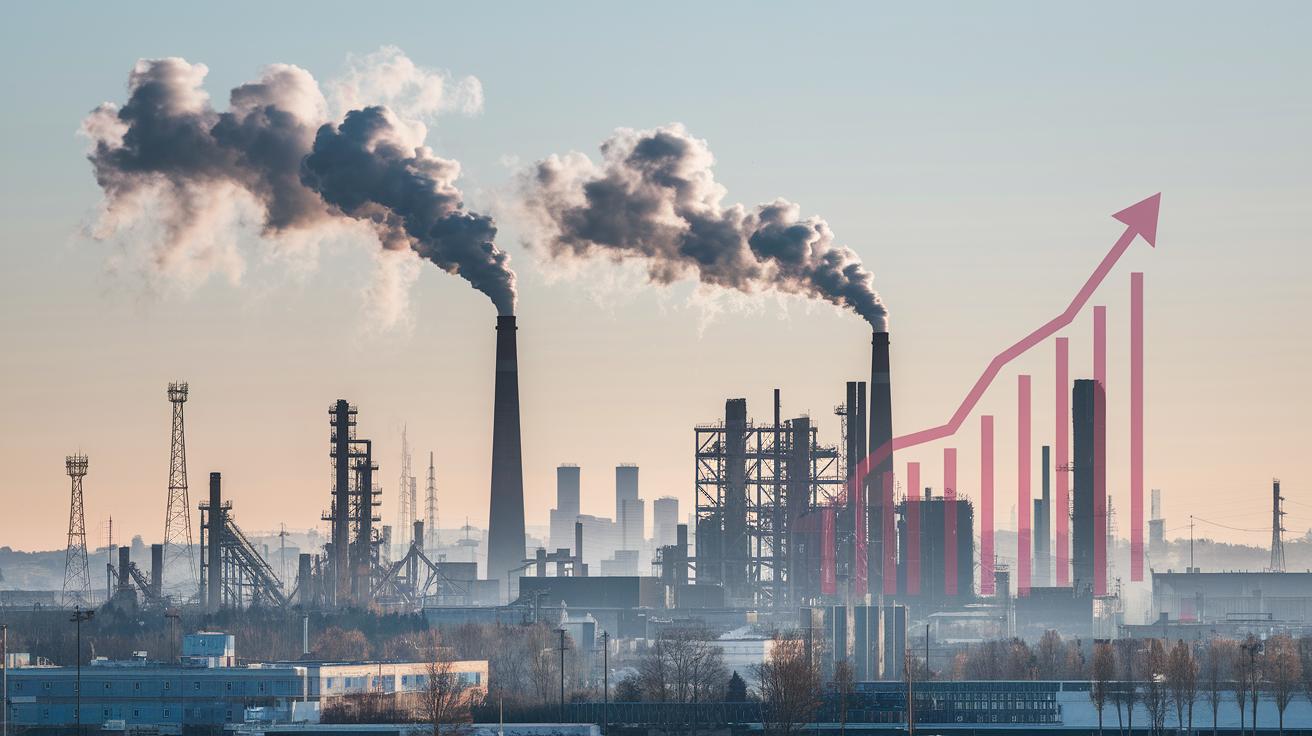
Protectionist measures have boosted domestic trade by giving local industries a fighting chance. Under Trump, tariffs allowed U.S. steel makers to gain market share, while Biden's tweaks are aimed at strengthening high-tech production. In China, targeted policies are fueling growth for local firms by limiting foreign competition.
Why it matters: These steps let companies improve efficiency and secure jobs, even though consumers may face higher prices.
Recent industry data shows that such protective measures have increased local output by 5%-10% over the last three years. While these policies offer a short-term advantage by stabilizing employment and driving local investment, they may also push up consumer costs when imports become more expensive.
Over time, however, protectionism can distort markets and lessen competitive pressure. Policymakers need to balance the immediate gains in job retention and growth against the risk of disrupting supply chains and undermining global competitiveness.
Protectionist Policy versus Free Trade: A Comparative Perspective
Protectionist policies use tariffs, quotas, and subsidies to shield domestic industries from foreign competition. These measures aim to protect local jobs and stabilize key sectors by limiting imports and boosting home production.
Why it matters: The U.S.–EU discussions on electric vehicle tax credits under the Inflation Reduction Act illustrate how coordination can prevent a subsidy race while still offering market incentives.
Free trade, on the other hand, lowers barriers to allow countries to focus on their strengths and provide goods at lower prices. This approach lets nations tap into global supply chains and benefit from comparative advantages, which can lead to cost savings for consumers and increased market efficiency.
While protectionism may provide short-term support for vulnerable industries, free trade generally drives long-term growth through enhanced competition and innovation. Each strategy has its place, with protectionist measures defending industries in the short run and free trade fostering broader economic expansion through international collaboration.
Final Words
In the action, the post breaks down protectionist policy basics, from its definition and tools to historical milestones and recent U.S. and China examples. It explains how tariffs, quotas, and subsidies aim to defend domestic industries while weighing benefits against higher consumer costs. The analysis also touches on economic and political effects along with free trade comparisons. This clear recap helps guide strategies for market maneuvers, offering a timely resource for decision-making. The discussion leaves a positive note on smart planning and adaptation in a changing economic landscape.
FAQ
What is an example of a protectionist policy?
The U.S. steel and aluminum tariffs imposed during Trump’s term illustrate a protectionist policy by limiting foreign imports to safeguard domestic production.
What are the advantages of protectionism?
The advantages of protectionism include shielding local industries, preserving jobs, and supporting emerging sectors, offering governments a way to promote domestic economic stability.
How is protectionism applied in trade?
Protectionism in trade applies measures like tariffs, quotas, and licensing to restrict imports, thereby safeguarding domestic industries and reducing reliance on foreign goods.
Why is protectionism considered harmful?
Protectionism is considered harmful because it can raise consumer prices, reduce market efficiency, and trigger trade disputes that limit export opportunities and economic growth.
What are some countries known for using protectionism?
Countries such as the United States, China, and members of the European Union have used protectionist measures to defend domestic industries and address economic challenges.
How does protectionism differ from free trade?
Protectionism restricts imports through trade barriers to support local industries, while free trade promotes minimal restrictions to encourage competitive markets and lower consumer prices.
What is protectionism in economics?
In economics, protectionism refers to government interventions—through tariffs, quotas, subsidies, and licensing—that restrict imports to defend domestic industries and jobs.
Is protectionism necessary in today’s economy?
Some view protectionism as necessary to defend vulnerable sectors and prevent job losses, though it also risks higher consumer prices and strained trade relations.
What are the three types of protectionism?
The three types of protectionism are tariffs on imports, quotas limiting the amount of goods allowed, and subsidies provided to domestic industries to boost their competitiveness.
What tariffs did Trump implement?
President Trump imposed tariffs on steel, aluminum, and various other products to protect U.S. industries, aiming to curb imports and strengthen domestic manufacturing.
Is protectionism considered left or right politically?
Protectionism is not exclusive to one side; while it is often linked with right-leaning economic nationalism, some left-leaning policies also use trade restrictions to protect local jobs.