


Market Rally Under Scrutiny
Today's surge in the market might be a performance rather than a true reflection of supply and demand. Investors could soon find themselves reacting to distorted data when financial tactics mask underlying trends.
Why it matters: Misleading market signals can expose investors to hidden risks, altering capital flows and strategy considerations.
Companies employing these tactics create an illusion of demand or supply shifts. This manipulation forces traders to base decisions on false information, jeopardizing their strategies.
Analysts are now breaking down the methods behind these deceptive moves. They detail key tactics designed to profit from misdirected signals, which undermine the reliability of genuine market data.
Understanding Market Manipulation Fundamentals
Market manipulation is illegal activity that distorts financial markets by creating false signals about supply, demand, or price. The U.S. Securities and Exchange Commission (SEC) defines it as deliberate actions meant to mislead investors by artificially changing security prices. This practice misrepresents economic reality and undermines the fairness of markets.
Manipulators take advantage of market inefficiencies to profit from quick price shifts. They use tactics such as spreading false information or executing deceptive trades to create a misleading market environment. Their goal is to induce decisions based on distorted data rather than genuine market conditions.
When manipulation skews supply and demand, it erodes market trust and disrupts price accuracy. Investors, both individual and institutional, may overreact to perceived risks. The result is a less transparent marketplace where genuine economic signals are hidden, forcing market participants to adjust their risk assessments.
Common Market Manipulation Tactics and Methods
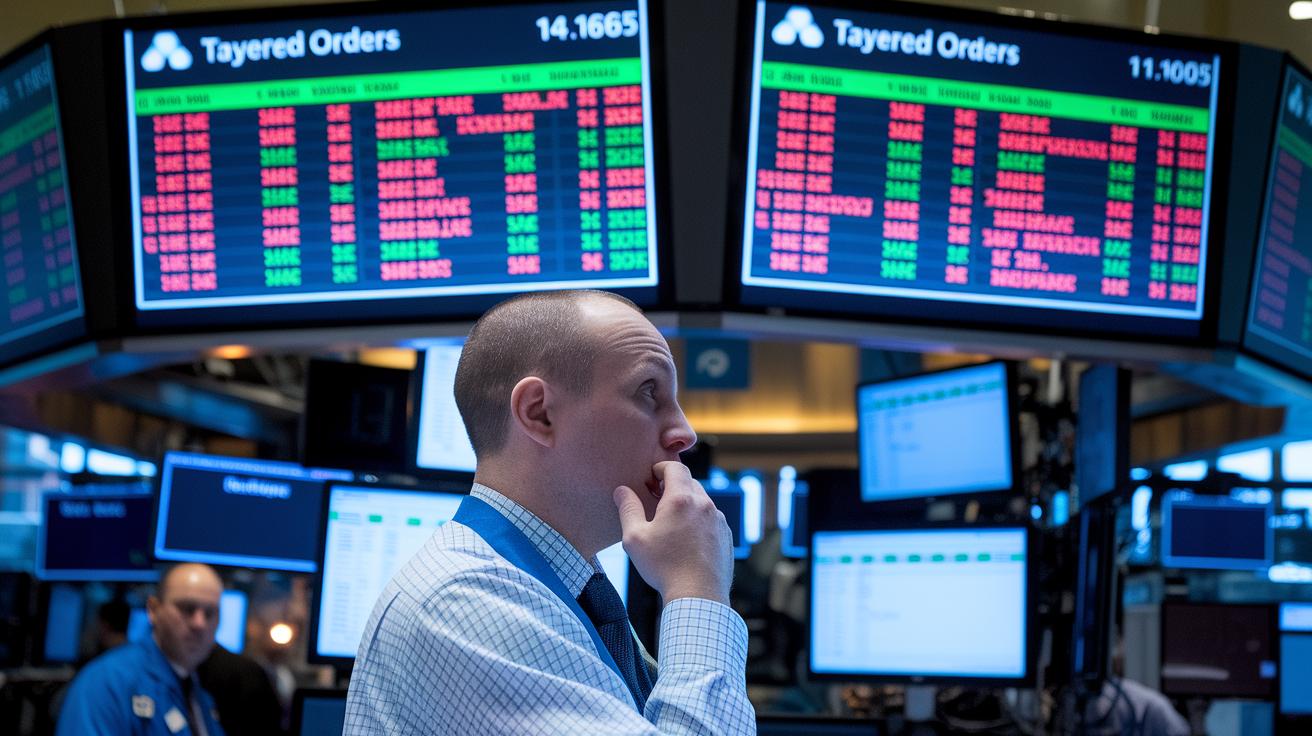
Market manipulation schemes create quick price distortions that trick traders into acting on false information. By faking signals of demand or supply, these tactics lead to rapid trading that can leave investors exposed.
Why it matters: Traders acting on mistaken signals risk misreading real market trends and suffering losses, while regulators struggle to catch these fast moves.
Key tactics include:
- Advancing the bid: Continuously adjusting the last trade price to drive a security's market value higher.
- Layering: Placing several large orders far from the current price to trigger favorable movements before canceling most orders.
- Pump-and-dump: Building a long position, pumping up news to lure investors, then selling once the price spikes.
- Misleading signals: Using partial or rapid trades during the day to create a false sense of demand.
- Marking the close: Trading near the session's end to influence the official closing price.
Manipulators favor short-term moves because they can profit from quick market reactions. The brief window before a correction often hides their activities, allowing them to secure gains before regulators step in. Rapid, small transactions executed with advanced tools further obscure their true intent, sometimes pushing inexperienced traders to enter or exit positions prematurely.
Legal Frameworks and Regulatory Oversight in Market Manipulation
Regulators, including the SEC, are intensifying their efforts against deceptive trading practices. They enforce strict market abuse rules, like SEC Rule 10b-5, and uphold AML/CTF standards to prevent any manipulation of security prices. Advanced technology and expert law enforcement teams quickly spot and address suspicious activities.
Why it matters: Robust regulatory oversight keeps markets fair and reliable, reducing risks for investors and companies alike.
Firms are investing in strong compliance programs. They deploy real-time transaction monitoring systems and perform thorough customer checks, including KYC, PEP, sanctions, and adverse media reviews. Intelligent surveillance tools flag unusual order behavior that may indicate price manipulation. Collaboration between AML specialists and trading experts ensures adherence to both domestic and global regulatory standards.
| Feature | Description | Regulatory Reference |
|---|---|---|
| Transaction Monitoring Platform | Real-time trade screening | Market Abuse Regulation / SEC Rule 10b-5 |
| Customer Due Diligence | KYC, PEP & sanctions screening | AML/CTF Rules |
| Intelligent Surveillance | Order-trigger analysis | Market Abuse & AML/CTF Standards |
| Expert Compliance Teams | AML & trading specialists | Global Regulatory Standards |
Notable Market Manipulation Case Studies

The 2010 Flash Crash
On May 6, 2010, a glitch in automated trading systems triggered a sudden sell-off that dropped major market indices by nearly 9% in minutes. Automated engines designed to trade in microseconds began offloading stocks in a disorderly cascade, overwhelming market capacity. This incident showed how quickly technology-driven trades can upset market stability. Why it matters: The flash crash led regulators to tighten controls on high-frequency trading, highlighting the risks when advanced algorithms operate without proper safeguards.
High-Volume Layering Scheme
Market manipulators once used a tactic involving large orders placed far from the current market price. They canceled these orders almost immediately as market conditions changed, which distorted the visible order book and misled other traders about real supply and demand. Enforcement agencies detected this repetitive, suspicious behavior and moved quickly to penalize the offenders. Why it matters: This tactic not only warped market pricing but also resulted in fines, trading bans, and closer monitoring of deceptive trading practices.
Crypto Pump-and-Dump Operation
In the digital asset market, operators carried out a pump-and-dump scheme targeting low-liquidity tokens. They spread false information on multiple platforms to push prices upward and attract unsuspecting investors. Once prices peaked, the manipulators sold their holdings, causing a sharp drop that led to heavy losses for late investors. Why it matters: Regulators later imposed strict penalties on these operators, confirming that even digital trading platforms are subject to rules against market manipulation.
Detection and Prevention Mechanisms for Market Manipulation
Tech-driven surveillance tools monitor order books and price movements in real time, quickly flagging any unusual activity that might signal trading manipulation. This system mixes automated detection with strict policy oversight to protect the market.
A unified framework combines rigorous client onboarding (covering KYC, PEP, and sanctions checks) with specialized AML and market abuse teams working closely with regulators. When smart surveillance raises an alert, these teams launch fast, coordinated investigations. This approach stops manipulation and creates clear audit trails for any questionable activities.
Investor education and secure whistleblower channels add an extra layer of protection. Ongoing training helps market participants spot signs of fraud, and dedicated reporting tools ensure that irregular activities are disclosed without delay.
Impact of Market Manipulation on Financial Markets and Investors

Market manipulation distorts price patterns and directly harms investors while shaking their trust in a fair market. Unusual trading strategies lead to price swings and sudden bursts of volatility that can cause immediate financial losses. When prices stray from the natural balance between supply and demand, risk measurements become unreliable, and both short-term trades and long-term investments suffer.
Why it matters: Investors adjust their expectations downward, which quiets market activity and weakens confidence in established financial systems.
Companies and regulators face greater challenges when managing risk under these conditions. Firms have difficulty tracking risk amid abrupt price movements and unexpected volatility, as seen in trends on market volatility stocks. This unsettled environment makes it hard for investors to stick with long-term strategies. As a result, regulatory bodies and financial institutions are stepping up their monitoring and risk management efforts, though the lingering effects of manipulation continue to complicate market integrity.
Final Words
In the action, this article examined market manipulation through its legal definition, common tactics like pump-and-dump and layering, and real case studies that disrupted markets.
We outlined key regulatory frameworks and detection methods that curb deceptive trading practices and safeguard market fairness. Stakeholders needing swift insights to reduce risk can leverage these findings to make timely decisions.
The focus on market manipulation helps foster improved investor confidence and steadier market performance ahead.
FAQ
What does the market manipulation methods crossword clue refer to?
The market manipulation methods crossword clue refers to deceptive trading tactics such as pump-and-dump, layering, advancing the bid, and marking the close that are designed to distort price signals.
What is stock market manipulation?
Stock market manipulation means deliberately altering market signals to mislead investors, often through tactics like layering, pump-and-dump schemes, and price advances to change security prices.
What are four forms of market manipulation?
Four forms include pump-and-dump schemes, layering orders, advancing the bid, and marking the close. Each tactic misleads the market by distorting demand or price information.
Is market manipulation illegal?
Market manipulation is illegal because it involves deceptive practices that artificially alter security prices, violating securities laws enforced by agencies like the SEC.
Can you provide a market manipulation sentence?
A market manipulation sentence might read: “The trader was penalized for market manipulation after orchestrating a pump-and-dump strategy to inflate stock prices.”
What does market manipulation today look like?
Market manipulation today involves using modern tactics like high-frequency trading abuse and misleading signals to distort prices, prompting regulators to intensify their enforcement actions.
What is a market manipulation chart?
A market manipulation chart visually illustrates various deceptive tactics—such as layering and advancing the bid—showing how these methods artificially influence price movements and market fairness.
What is a market manipulation movie?
A market manipulation movie dramatizes fraudulent trading schemes, such as pump-and-dump operations, showcasing the deceptive tactics used by traders and the subsequent legal repercussions.
Why do 90% of people lose money in the stock market?
The fact that 90% of people lose money in the stock market often stems from factors like insufficient research, impulsive trading, market manipulation, and unpredictable market movements leading to poor investment strategies.
What is the 3-5-7 rule in the stock market?
The 3-5-7 rule in the stock market refers to a strategy based on specific price movements and trading volumes used by some traders, though its practical benefits can differ between market conditions.
What is an example of manipulative marketing?
An example of manipulative marketing is using misleading information to boost a product’s or stock’s appeal, similar to how pump-and-dump schemes falsely elevate asset prices for short-term gain.
What are the two major techniques of market manipulation?
The two major techniques are order manipulation through tactics like layering and price distortion via pump-and-dump schemes that create a false sense of demand before a rapid sell-off.