
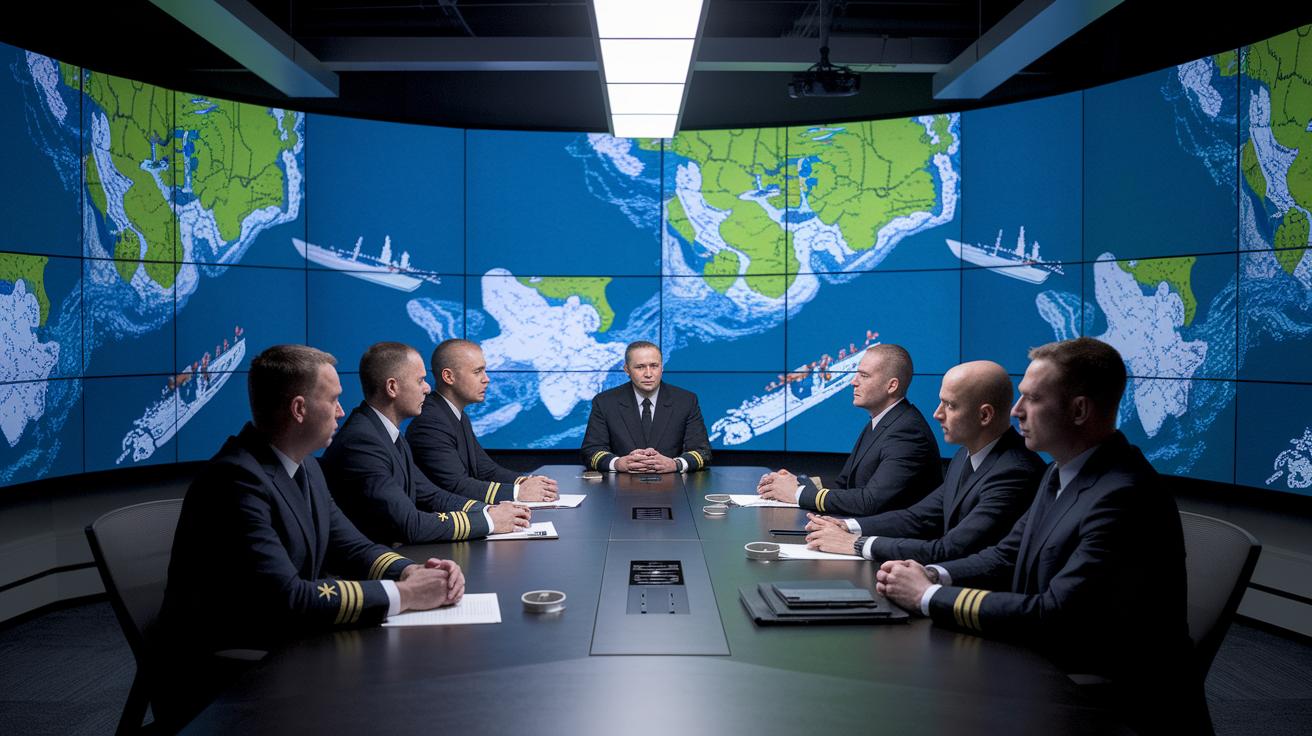

Historical Naval Tactics Shape Modern Trade
In the 19th century, Britain and the United States used warships to press their political and economic agendas. By projecting naval strength, these nations influenced decisions without sparking full-scale war.
Why it matters: Bold military moves can still shape trade and alliance strategies today.
Nations used what was known as gunboat policy to send clear signals of power on the world stage. This approach not only prevented larger conflicts but also steered economic and political outcomes in their favor.
Today, the legacy of these maneuvers is a reminder that a strong military posture can affect modern international relations. Leaders and investors should note how such strategies continue to influence global market dynamics and strategic decisions.
Defining Gunboat Policy: Origins, Definition, and Objectives
Gunboat policy uses naval forces to pressure other nations without sparking full-scale war. Countries deploy warships to send a strong message and shape political and economic decisions. This approach relies on the power of the sea to demonstrate resolve without resorting to direct fighting.
Why it matters: Nations use this tactic to gain leverage while keeping the costs of war at bay, impacting trade and diplomatic relations.
The strategy emerged in the mid-19th century when new naval technology, imperial ambitions, and lax maritime laws converged. Major powers took advantage of these conditions to influence trade agreements and secure territories using focused naval actions. By limiting engagements, they achieved significant diplomatic gains and deterred potential adversaries without risking broader conflict.
This naval diplomacy not only showcased the balance between force and restraint but also continues to shape how states interact in an increasingly complex world.
Gunboat Policy in the 19th Century: Maritime Coercion and Imperial Enforcement

Mid-19th century naval powers like Britain, France, and the United States used their growing industrial strength and loose regulations to shape global trade and politics. These countries deployed warships to secure trade advantages and key concessions without sparking full-scale wars. They combined limited military force with sharp diplomatic moves to push their strategic and economic interests, a practice that laid the groundwork for today's coercive diplomacy.
Why it matters: Investors and corporate leaders should note that these early tactics helped shape modern strategies for leveraging military capabilities without major conflict.
| Year | Naval Intervention | Outcome |
|---|---|---|
| 1839–42 | Opium Wars (Britain in China) | Trade concessions secured |
| 1853–54 | Perry Expedition (U.S. in Japan) | Treaty of Kanagawa |
| 1883–86 | Tonkin Expedition (France in Vietnam) | Protectorate established |
These maritime actions show how empires used well-planned displays of strength to achieve clear benefits. Warships were tools to signal commitment and protect national interests while keeping conflicts contained. Although these tactics worked in the short term, some critics argue they set the stage for future international tensions by making overt military threats more common.
Gunboat Policy in U.S. Foreign Strategy: Monroe Doctrine and Roosevelt’s Naval Approach
The Monroe Doctrine of 1823 reshaped U.S. foreign policy by barring European interference in the Western Hemisphere and setting a clear role for naval power. It signaled that a strong fleet would safeguard regional interests even without direct conflict. Why it matters: The doctrine laid the groundwork for using maritime strength as a deterrent, a strategy that continues to influence U.S. security policy.
Between 1907 and 1909, President Theodore Roosevelt expanded on these ideas by deploying the Great White Fleet on a global tour. The fleet's voyage sent a clear message to allies and potential rivals alike and demonstrated a commitment to stability. Roosevelt's forceful use of naval power not only showcased American strength but also set a lasting precedent for how the U.S. engages in international diplomacy.
Modern Gunboat Policy: Hybrid Maritime Coercion and Evolving Naval Doctrines

Recent shifts in international law, media openness, and economic ties are reshaping how states deploy military power. Nations now understand that a mere naval presence won't sway outcomes when public opinion and digital reports can quickly spread any action. Instead, modern gunboat policy mixes traditional maritime force with nonmilitary tools to send clear signals while avoiding full-scale conflict.
Why it matters: This balanced approach may influence geopolitical risk and strategic decision-making, affecting investors and corporate leaders alike.
Key tools include:
- Sanctions: Economic penalties used to pressure or punish unwanted actions.
- Public messaging: Formal communications designed to shape both domestic and international views.
- Symbolic deployments: Naval units sent out to show resolve without engaging directly.
- Joint naval exercises: Coordinated drills with allies to demonstrate united strength and readiness.
- Cyber cooperation: Team efforts to monitor, disrupt, or influence an adversary's digital capabilities.
Policy makers combine these measures to apply credible pressure without escalating conflicts. This hybrid strategy not only reinforces a nation’s presence at sea but also diversifies its means to steer outcomes in today’s legally bounded and media-driven environment.
Case Studies of Gunboat Policy: U.S. Naval Deployments and Coercive Actions
In the Caribbean, U.S. warships patrol key drug trafficking routes and warn nations such as Venezuela. This naval move disrupts illicit networks while showing a strong political stance. The effort protects regional security and stops criminals from exploiting weak law enforcement. Visible fleet operations help set expectations and guide political decisions without direct conflict.
Near Iran's borders, U.S. naval forces operate to confirm America's commitment to open navigation and to counter local threats. This mission protects vital shipping lanes and enforces international maritime rules. Advanced warships here serve to deter potential adversaries while avoiding full military escalation.
In the Taiwan Strait, U.S. vessels challenge overreaching maritime claims during freedom-of-navigation transits. The operation reaffirms international law and ensures that major global trade routes stay open. It sends a clear message worldwide: the U.S. is ready to use its naval capabilities to influence adversary behavior and manage risks in a controlled manner.
Impact and Future Outlook of Gunboat Policy on International Relations
Sustained naval engagement strengthens regional security. It sends a clear signal that states are determined and ready to deter threats. Using the sea to project power supports national security and builds a stable international order. Over time, this strategy has become a blend of precise force without open conflict. These measured actions help manage disputes while avoiding major escalation. They allow nations to set their intentions and maintain strategic balance. This approach influences global power by shaping alliances and the balance of power in key maritime corridors.
New trends are set to reshape this doctrine further. Unmanned vessels and AI-led threat assessments, coupled with updated legal frameworks for naval diplomacy, may redefine maritime influence and open new channels for state engagement.
Final Words
In the action, our article traced gunboat policy from its mid-19th century origins through its evolution in U.S. strategy and modern hybrid enforcement measures.
Early examples set the stage for today’s blending of naval presence with digital and economic tools. The review demonstrates how these techniques shape international relations and influence decision-making.
Market leaders can use these insights to assess risks and opportunities as gunboat policy continues to drive global power dynamics.
FAQ
Q: What is the gunboat policy?
A: The gunboat policy means using naval forces as a coercive tool in diplomacy, deploying warships to enforce political or economic objectives without engaging in full-scale war.
Q: What is gunboat diplomacy also known as?
A: Gunboat diplomacy is also referred to as naval coercion, which highlights the use of warships to project power and influence other nations through the threat of force.
Q: What is gunboat capitalism?
A: Gunboat capitalism describes the practice of using the threat or use of naval force to secure economic advantages, often forcing trade terms favorable to the stronger power.
Q: What is the origin of gunboat diplomacy?
A: The origin of gunboat diplomacy dates back to the mid-19th century, when major powers used naval forces during conflicts like the Opium Wars and Commodore Perry’s expedition to enforce trade and political outcomes.
Q: When did the US use gunboat diplomacy and which president was associated with it?
A: The US employed gunboat diplomacy in the 19th and early 20th centuries, notably with Commodore Perry’s efforts in Japan and under President Theodore Roosevelt, whose fleet showcased American maritime power.
Q: Is gunboat diplomacy legal?
A: Gunboat diplomacy operates within a legal gray zone; it is generally considered permissible under international law when used to enforce trade or security arrangements, though its legality depends on adherence to maritime treaties and regulations.
Q: Can you provide examples of gunboat diplomacy?
A: Examples include Britain’s naval actions during the Opium Wars, Commodore Perry’s expedition to open Japanese ports, and US naval deployments to influence regional actions without resorting to full-scale warfare.
Q: How was gunboat policy applied during World War II?
A: During World War II, gunboat policy involved limited naval engagements and blockades designed to coerce enemy actions and secure strategic advantages without instigating broader conflicts.