


Traditional Values Shape Modern Policy Debates
The Ethics and Public Policy Center (EPPC), founded in 1976, brings Judeo-Christian principles and America’s founding ideals into today’s legal and regulatory discussions. By framing debates around family, education, law, and business, EPPC urges policymakers to face tough decisions with both conviction and clear reasoning.
Why it matters: EPPC’s blend of enduring values with modern challenges could influence market dynamics, regulatory shifts, and strategic business decisions.
ethics and public policy center: Mission, Vision, and Core Principles
Founded in 1976 in Washington, D.C., the Ethics and Public Policy Center (EPPC) was established on the belief that America's legal and cultural debates must reflect Judeo-Christian values and the nation's founding principles. Born amid major cultural shifts, EPPC quickly became a forum for values-based discussion and rigorous policy evaluation.
EPPC organizes its work around five key pillars: The Human Person; Sexuality & Family; Politics & Law; Education & Culture; and Business & Economics. These pillars guide a balanced approach that combines traditional values with practical legal reforms. The organization backs legal measures that protect unborn life while ensuring pregnant women receive timely, essential medical care in serious health scenarios.
Why it matters: EPPC's framework bridges unyielding ethical ideals with real-world healthcare needs, providing a clear guide for policymakers and cultural leaders to navigate today's fast-changing legal and social landscape.
ethics and public policy center: Founding Background and Historical Controversies
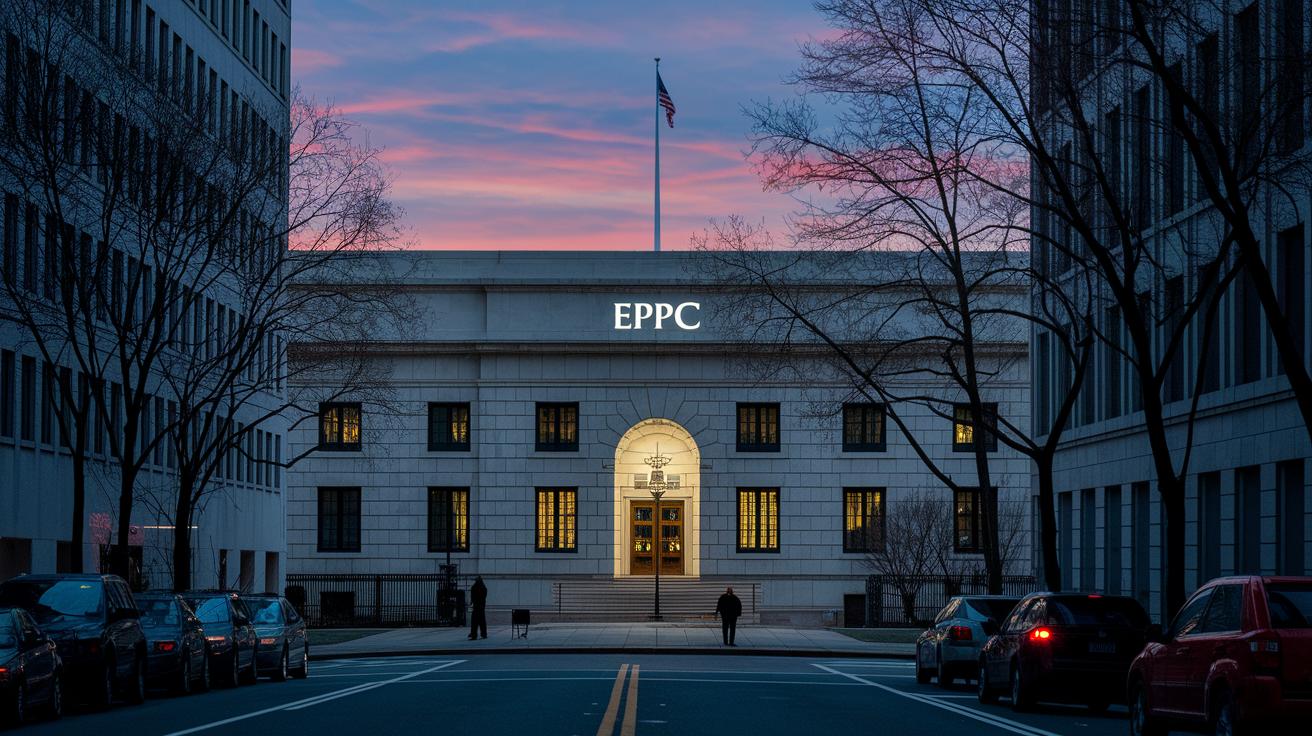
Ernest W. Lefever launched EPPC in 1976 in Washington, D.C. as a forum for conservative debates on legal and cultural policy. In 1981, his nomination for Assistant Secretary of State triggered a sharp controversy. Critics pointed to his past defense of U.S. interrogation tactics and his proposals to undo established human rights standards. This early showdown set the tone for years of debate over his ideas.
Since its launch, EPPC has positioned itself alongside other conservative think tanks like the Heritage Foundation and the Witherspoon Institute. The center has combined Judeo-Christian values with practical policy reform, challenging common ethical norms in government. This mix of moral philosophy and real-world policy has fueled ongoing debates among experts, ensuring EPPC remains a key player in conservative policy circles.
ethics and public policy center: Leadership Structure and Governance
Ryan T. Anderson is EPPC’s president, bringing proven expertise from his roles at the Witherspoon Institute and the Heritage Foundation. He combines solid policy analysis with practical governance to guide the center through legal and cultural debates that impact today's decisions.
Why it matters: Anderson's leadership approach offers clear direction and accountability, key for navigating the fast-changing policy landscape.
- J. Robison Hays, III leads the board as Chair; he previously served as CEO at Ashford Hospitality Trust.
- The Policy Strategy board member steers long-term planning and peer engagement.
- The Financial Oversight board member ensures strict fiscal policies and accountability.
EPPC relies on a strong internal framework that includes strategy, audit, and compliance committees. The strategy committee drives mission-focused initiatives to align policy proposals with core values. The audit committee reviews financial practices to keep operations transparent, while the compliance committee guarantees adherence to both internal standards and regulatory requirements. This structured oversight supports efficient program execution, ethical decision-making, and a clear strategic path as the policy environment evolves.
ethics and public policy center: Research Outputs and Publication Archive

EPPC organizes its research around five key themes: The Human Person, Sexuality & Family, Politics & Law, Education & Culture, and Business & Economics. These categories shape its work, combining ethical insight with practical policy analysis.
Why it matters: The research helps decision-makers quickly understand shifts in policy and social trends.
The center produces:
- Policy papers that propose legal reforms and ethical guidelines
- Case studies that explore issues like in vitro fertilization and family dynamics
- Review articles that examine debates on marriage equality and judicial confirmations
- Amicus briefs offering data-backed support in major court cases
Archived materials span from detailed analytical reports to targeted ethical reviews. These documents cover topics such as IVF practices, marriage equality, and judicial nomination debates, offering a solid foundation for researchers and policymakers to gauge current socio-political developments.
The archive also hosts supplementary data, for example IRS Form 990 filings via InfluenceWatch, which enhances transparency. This resource allows users to follow the progress of EPPC’s studies and verify key data. Policymakers, academics, and the public can use this archive to stay informed and contribute to ongoing debates in ethics and public policy.
ethics and public policy center Empowers Thoughtful Dialogue
The ethics and public policy center builds a solid financial foundation by drawing support from individuals, foundations, and corporations that share its conservative values. Its diverse funding mix backs focused policy research and advocacy while fueling ethical policy debates.
Major grants fuel the center's initiatives with clear figures. In 2019, the Lynde and Harry Bradley Foundation provided $450,000 and Donors Trust contributed $400,000. Earlier, in 2016, the John Templeton Foundation awarded $200,000, followed by $560,570 from the Bradley Impact Fund in 2023. The National Christian Charitable Foundation has also contributed $151,000. These contributions support programs that blend careful analysis with strong legal and cultural principles.
| Name | Amount | Year |
|---|---|---|
| Lynde and Harry Bradley Foundation | $450,000 | 2019 |
| Donors Trust | $400,000 | 2019 |
| John Templeton Foundation | $200,000 | 2016 |
| Bradley Impact Fund | $560,570 | 2023 |
| National Christian Charitable Foundation | $151,000 | , |
The center maintains transparency by publicly sharing Form 990 filings on InfluenceWatch. Dedicated internal committees manage fiscal oversight to ensure every contribution is handled responsibly, enhancing public trust and reinforcing its commitment to objective policy evaluation.
ethics and public policy center: Policy Influence and Civic Engagement

EPPC actively shapes public policy by advising U.S. lawmakers, religious leaders, educators, and judges on key legal and cultural issues. Its experts regularly file briefs in major Supreme Court cases involving judicial nominations, influencing how courts review cases.
Why it matters: EPPC's work directly impacts judicial strategy and legislative debates on family policy, marriage, and other social issues.
The center consistently:
- Hosts panel series on family policy to review how legislative changes affect society.
- Organizes civic forums that explore legal reforms and community values.
- Leads roundtable discussions offering public insights on current religious and cultural matters.
- Advises policymakers on upcoming legislative priorities.
- Coordinates expert events to assess the practical impact of court decisions.
EPPC also leverages a strong network to support targeted lobbying efforts. By working with influential conservative groups, the center influences both public opinion and legislative outcomes. This approach keeps ethical and cultural values firmly at the center of legal reform discussions in the U.S. political landscape.
ethics and public policy center: Career, Fellowship, and Internship Opportunities
EPPC programs provide hands-on experience in policy research, communications, and event coordination. Designed for both undergraduate and graduate students, these roles let you work directly with experienced professionals while you gain practical insights into policy analysis and advocacy. This hands-on learning can build key skills and networks that matter for a successful career.
Why it matters: By working closely with experts and senior scholars, participants build a strong foundation for leadership in public policy.
Available programs include:
- Policy Research Internships – lasting 3 to 6 months
- Communications Fellowships – typically 6 to 12 months
- Event Coordination Roles – seasonal or project-based assignments
- Graduate Fellowship Programs – usually 12-month positions
Prospective applicants should visit the EPPC careers portal for the latest listings and deadlines. The site details role requirements, responsibilities, and project timelines, ensuring you can tailor your application to match the opportunity. Regularly checking the portal is key if you're looking to advance in policy research and advocacy.
ethics and public policy center: Comparative Standing and Future Outlook

EPPC stands out by basing its work on a clear Judeo-Christian foundation and a firm pro-life position. This ethical base sets it apart from other think tanks while aligning its proposals with traditional cultural values.
Key initiatives include:
- Partnering on strategic planning for Project 2025 to influence upcoming legal and cultural debates.
- Researching how digital policy impacts family dynamics and shifts in household structures.
- Using rigorous evaluation and forecasting to predict governance challenges in today’s volatile political environment.
- Employing forecasting models to link current trends with long-term policy effects for smarter decision-making.
- Expanding its influence through targeted planning to address potential disruptive changes in social and economic systems.
Looking ahead, EPPC is broadening its focus beyond typical think tank discussions. Its new research covers digital transformation impacts on family structures and emerging governance challenges. By combining strong forecasting techniques with strategic planning, the center aims to provide clear, evidence-backed policy recommendations for the next decade. This forward-thinking approach makes EPPC a vital resource for policymakers in a rapidly changing world.
Final Words
In the action of exploring the Ethics and Public Policy Center’s journey, the article recapped its founding, key ideological pillars, leadership framework, and research outputs. It highlighted how donor transparency, career opportunities, and lobbying efforts shape its policy influence.
The piece illustrated the center’s balanced mission and its proactive stance on market intelligence. These insights empower decision-makers to assess governance trends and strategic developments while staying informed on critical ethics and public policy center matters.
FAQ
What is the Ethics and Public Policy Center bias?
The Ethics and Public Policy Center bias reflects its commitment to right-of-center policies rooted in Judeo-Christian principles. Its research and advocacy consistently support conservative values and a pro-life legal framework.
What are the internship opportunities at the Ethics and Public Policy Center?
The Ethics and Public Policy Center internship programs offer roles in policy research, communications, and event coordination. Interns gain practical experience and mentorship while contributing to the center’s policy initiatives.
What information is available on the Ethics and Public Policy Center wiki?
The Ethics and Public Policy Center wiki provides a comprehensive overview of the organization’s history, mission, ideological roots, key publications, and its influence on policy debates and cultural issues.
What jobs are available at the Ethics and Public Policy Center?
Ethics and Public Policy Center jobs include openings in policy research, communications, and administrative support. These positions are advertised on their website and help professionals engage in public policy debates.
What does the Ethics and Public Policy Center 990 filing reveal?
The Ethics and Public Policy Center 990 filing offers financial disclosures, including donor contributions and budget details, ensuring transparency in funding and fiscal accountability through publicly accessible records.
What is the Ethics and Public Policy Center’s stance on abortion?
The Ethics and Public Policy Center’s stance on abortion is characterized by a pro-life approach that supports legal measures to protect the unborn while maintaining critical medical care for pregnant women.
What is the address of the Ethics and Public Policy Center?
The Ethics and Public Policy Center is based in Washington, D.C., where it was founded in 1976. Its official website provides detailed contact information and office location for public reference.
Who is Aaron Kheriaty in relation to the Ethics and Public Policy Center?
Aaron Kheriaty is associated with discussions on ethics and policy at the Ethics and Public Policy Center, contributing his expertise on the intersections of law, culture, and ethical debates in contemporary society.
Is the Ethics and Public Policy Center conservative?
Yes, the Ethics and Public Policy Center is conservative. It promotes policies grounded in Judeo-Christian values and a traditional pro-life perspective, often aligning its work with other right-of-center organizations.
Who funds the Ethics and Public Policy Center?
The Ethics and Public Policy Center is funded by individuals, foundations, and corporations. Major donors include the Lynde and Harry Bradley Foundation, Donors Trust, and several other charitable organizations.
What is meant by ethics and public policy?
Ethics and public policy refer to the principles and frameworks that guide government decisions, legal debates, and cultural norms, balancing moral values with practical governance and legislative action.
What is the EPPC policy?
The EPPC policy is based on a framework of Judeo-Christian values and a pro-life approach, structured around five core pillars that address issues in law, culture, economics, and social policy.