


Headline: Balancing Structure with Vision in Change Management
Companies facing shifts in the market often rely on clear, step-by-step frameworks that cut risk and keep projects on track. However, a flexible, vision-driven approach can spark team spirit and drive innovation.
Why it matters: Merging strict planning with inspirational leadership builds a resilient culture, steadies operations, and positions companies to seize emerging opportunities.
change leadership vs change management: Inspiring Success
Change management delivers a clear, step-by-step framework for handling transitions. Companies use proven models, such as Prosci's (introduced in 1994), to set detailed project plans with defined roles, measurable milestones, and strict documentation. This approach reduces risk and keeps operations steady during periods of change.
Change leadership, on the other hand, is a flexible, vision-driven method that motivates teams from within. It focuses on securing early wins and fostering change through both logical planning and emotional engagement. Leaders using this approach work to shape company culture and guide behavior, encouraging innovation and team collaboration.
Understanding the difference is vital for any transformation strategy. Change management provides the reliable structure needed for accountability, while change leadership infuses energy and vision into the process. By blending these methods, organizations can drive lasting improvements and build a culture that adapts quickly to new challenges.
Established Frameworks and Models in Change Management and Change Leadership

Companies use proven models to drive transformation by combining clear, systematic processes with bold leadership. Traditional frameworks like Lewin's Three-Step Model and the McKinsey 7-S Framework set measurable milestones and assign specific roles for managing change. Meanwhile, modern approaches such as the ADKAR model and the Bacharach method focus on inspiring teams through vision, morale, and storytelling. Kotter’s models merge these ideas, offering a step-by-step process that meets both the need for structure and the drive for motivational leadership.
| Model Name | Discipline | Key Steps/Elements | Ideal Use Case |
|---|---|---|---|
| Lewin’s Three-Step Model | Change Management | Unfreeze, Change, Refreeze | Simple, structured transitions |
| McKinsey 7-S Framework | Change Management | Strategy, Structure, Systems, Shared Values, Skills, Style, Staff | Holistic organizational analysis |
| Kotter’s Eight-Step Process | Change Management | Urgency, Coalition, Vision, Communication, Empowerment, Quick Wins, Consolidation, Embedding Change | Large-scale initiatives addressing structural failings |
| ADKAR Model | Change Leadership | Awareness, Desire, Knowledge, Ability, Reinforcement | Individual-level transformation |
| Bacharach Approach | Change Leadership | Narrative Execution, Vision Mobilization | Engaging teams through storytelling and inspiration |
| Kotter’s Leadership-Oriented Steps | Change Leadership | Vision Setting, Moral Boosting, Culture Shaping | Combining measurable steps with inspirational guidance |
Choosing the right framework depends on the company’s size, the complexity of the change, and its culture. Leaders must decide whether a structured model like Lewin’s or the McKinsey framework better manages risk and accountability or if a dynamic, narrative-focused approach will boost employee engagement and reshape culture. These models provide a solid foundation to customize your strategy, balancing exact change metrics with the visionary push needed for lasting transformation.
Roles and Responsibilities in Change Management vs Change Leadership
Change management focuses on crafting and executing detailed project plans with clear milestones and strict accountability. In this process, practitioners design strategies that define every step while sponsors and managers secure resources and ensure adherence to the plan.
Change leadership, on the other hand, centers on building a strong vision and energizing teams to embrace change. Leaders at all levels articulate clear goals and foster a sense of urgency. Frontline employees join in by co-creating the change process, blending systematic planning with the drive needed to transform the organization.
Stakeholders play a key role in both approaches. Executives and managers use targeted engagement workshops to identify who can propel the change forward or potentially resist it. These sessions ensure everyone understands their role and help tailor strategies to address specific concerns, paving the way for smoother transitions and stronger accountability across the organization.
Benefits and Challenges Unique to Change Leadership and Change Management
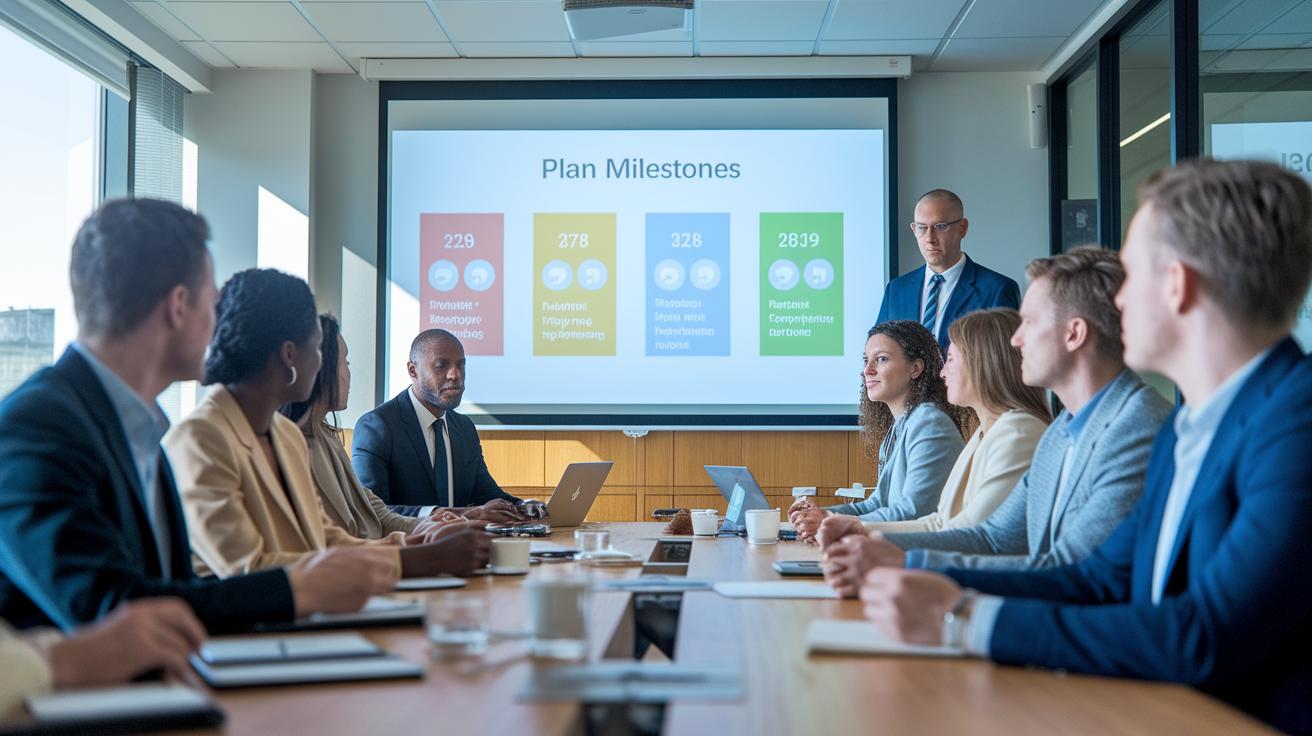
Change management relies on systematic planning, clear milestones, and risk reduction to keep operations steady. It establishes roles, outlines processes, and upholds accountability to predict outcomes. On the flip side, change leadership focuses on inspiring teams and evolving a company’s culture. By boosting innovation and engagement, it realigns core values and opens new growth paths. However, this flexible approach can sometimes lead to drifts in scope or a lack of clear structure.
Why it matters: Investors and executives should note that structured planning and visionary leadership offer different benefits and challenges, and a balanced mix can drive sustainable transformation.
In rigid settings, strict plans may trigger resistance, while in more fluid environments, uncertainty about long-term direction can spark hesitancy. Using formal tools like readiness assessments and incentives alongside powerful storytelling builds a framework that supports lasting change. Financial and nonfinancial rewards, combined with robust communication, are key to overcoming opposition. Merging systematic change management with dynamic leadership helps organizations maintain momentum, meet strategic targets, and embed cultural shifts across all levels.
| Approach | Benefit | Challenge |
|---|---|---|
| Change Management | Predictability, risk reduction, defined milestones | Resistance from rigid structures |
| Change Leadership | Enhanced engagement, cultural evolution, innovation | Risk of losing focus and scope drift |
Leaders should tailor strategies to blend clear, structured methods with inspiring, vision-driven approaches. This balanced framework makes it easier to overcome resistance and achieve transformation that hits strategic goals while resonating with the company’s culture.
Real-World Applications: Change Leadership and Change Management in Practice
Case studies show real-world examples of leadership in action. They illustrate how blending clear planning with inspiring vision drives faster change adoption and smoother operations.
Tech Company: Accelerated Change with Vision and Agile Cycles
A top tech firm sparked a transformation by aligning a clear leadership vision with agile, short change cycles. Leaders set bold targets and used rapid iterations to keep pace with market shifts, cutting the time to adopt new technology by 30%.
Why it matters: This strategy shows that combining firm direction with adaptable methods can deliver rapid performance gains.
Healthcare System: Revamping Protocols with Structured Storytelling
A major healthcare system reformed its protocols using Lewin’s three-step change model. It started by clearly communicating the need for change and outlining a step-by-step transition. Clinicians connected with the process through storytelling that simplified complex changes, leading to stronger protocol adherence and improved staff morale.
Why it matters: Translating detailed change into relatable narratives builds trust and accelerates operational improvements.
Retail Chain: Streamlined POS Rollout Through ADKAR
A national retail chain upgraded its point-of-sale system by applying the ADKAR model. Focused interventions guided employees through key phases, from awareness to ability, reducing resistance by 20% and boosting transaction accuracy by 15%.
Why it matters: Structured support that addresses both technical and emotional aspects can smooth transitions and enhance operational metrics.
These examples reveal that effective change transformation blends precise planning with visionary leadership. They provide clear lessons for any organization facing complex change challenges.
Integrating Change Leadership and Change Management for Successful Transformation

Change leadership and change management can no longer operate in isolation. Today's companies need to adopt modern strategies that merge clear, systematic processes with a compelling vision. This blended approach overcomes resistance from stakeholders and misalignment in strategic goals, paving the way for reforms that boost both precision and inspiration.
Firms are testing new frameworks. They assign executives dual roles, combine assessment tools like Prosci readiness assessments with narrative planning, and link communication plans to specific KPIs. They also integrate financial and nonfinancial rewards. For example, one manufacturing firm merged a readiness review with a storytelling strategy. Initially, the team focused solely on production numbers. With narrative insights added, performance discussions included vision alignment, which led to smoother implementation.
Leaders gauge the success of this combined approach by tracking adoption rates, shifts in employee sentiment, and ROI. They also measure milestones and narrative impact. These metrics help companies spot challenges when fusing disciplined control with inspiring leadership and allow them to adjust tactics for lasting transformation.
Final Words
In the action, the article broke down the distinct roles of structured change management and vision-centered change leadership. It detailed models, stakeholder responsibilities, benefits, and real-world applications while explaining how to integrate both for optimal outcomes.
This analysis clarifies the differences between change leadership vs change management and provides actionable insights for transformation. The discussion offers clarity and a glimpse of success for organizations adapting to evolving market demands.
FAQ
Frequently Asked Questions
What is change leadership?
Change leadership emphasizes a dynamic, vision-driven process that inspires early wins and motivates teams to embrace new ideas while shifting culture and behavior.
How does change leadership differ from change management?
Change leadership focuses on vision and cultural influence, whereas change management centers on structured processes, accountability, and measurable steps to guide organizational change.
How can change leaders coach and mentor the workforce to handle change?
Change leaders coach by clearly communicating vision, engaging employees through practical guidance, and maintaining feedback loops that empower teams during transitions.
How is a change leader different from a stakeholder in change?
A change leader drives strategy and motivates teams to adopt change, while stakeholders primarily provide input, resources, or support without setting the vision.
What are the advantages of being a change leader?
Being a change leader offers benefits such as increased employee engagement, cultural transformation, and innovation by inspiring teams and promoting a proactive approach to change.
Who are change management leaders?
Change management leaders are professionals who design and execute structured project plans, secure necessary resources, and ensure accountability and measurable milestones during change initiatives.
What are the C’s of change leadership?
The C’s of change leadership often refer to core principles such as clarity, connection, and commitment; some models expand to five C’s, though the specific terms may vary across different frameworks.
How does management of change (MOC) differ from change management?
Management of change (MOC) typically denotes a formal, methodical process tailored to specific regulatory or technical modifications, aligning with change management’s systematic approach while emphasizing field-specific applications.