


Isolationist policies may boost domestic strength while offering fresh global insights.
Why it matters: Investors and corporate leaders should watch this trend as a shift toward self-reliance might reshape market risks and opportunities.
New analysis shows that countries stepping back from international disputes, once used by early American leaders to avoid distant conflicts, can uncover new paths to stability and growth. By focusing inward, policymakers may build stronger foundations at home while gaining a different perspective on evolving global trends. This approach, though debated, is now fueling discussions among decision-makers about its potential to enhance strategic resilience and market performance.
Key Characteristics of an Isolationist Policy
Isolationism is a foreign policy stance that avoids political and military alliances with other nations. It emerged early in American history as a way to protect national interests by reducing exposure to external conflicts. George Washington warned against getting involved in foreign disputes, a view that shaped U.S. policy for centuries to come. The goal was to maintain independence while keeping domestic priorities free from external interference.
This approach emphasizes managing national affairs without overextending into international commitments. It calls for cautious restraint in forming alliances and a firm preference for staying out of global entanglements. For example, addressing local challenges is like pruning a tree to help it grow stronger. By focusing on internal stability and strategic autonomy, isolationism aims to safeguard the nation's interests and minimize risks from overseas military or political commitments.
Evolution of Isolationist Policy from Early Republic to Interwar Period

Early American leaders steered the nation away from foreign entanglements. After George Washington's Farewell Address in 1796, the United States chose self-reliance to protect its emerging identity from European conflicts. This early stance set a pattern of keeping foreign powers at a distance and prioritizing domestic affairs.
The 19th century saw further refinement of this approach. In 1823, the Monroe Doctrine warned European nations against interfering in the Western Hemisphere. The policy made it clear that any meddling would trigger a firm response from the United States, reducing the risk of large-scale international conflicts.
After World War I, both policymakers and the public leaned toward avoiding overseas commitments. The focus shifted to rebuilding American prosperity rather than getting involved in distant conflicts.
By the 1930s, this isolationist vision was put into law. A series of Neutrality Acts limited arms exports and financial transactions with nations at war. This legislative action marked the culmination of a long-standing goal: ensuring national security with a cautious approach to international engagement.
U.S. Pre–World War II Isolationist Policy Case Study
In the mid-1930s, many Americans turned their focus inward. Amid concerns about foreign wars and a need to rebuild the economy, both citizens and lawmakers pushed to limit the nation’s involvement abroad. Resources were kept at home instead of being diverted to conflicts overseas.
Key actions included:
- 1935 Neutrality Act: imposed an arms embargo
- 1936 Neutrality Act: banned loans to belligerents
- 1937 Neutrality Act: introduced a cash-and-carry rule
- 1939 Neutrality Act revision: permitted selective aid to Allies
A 1936 survey showed that 95% of Americans opposed entering European conflicts. In response, Congress enacted these Neutrality Acts to reduce military exports and cut financial ties with warring nations. Lawmakers believed that tightening these links would safeguard national security and stabilize the economy.
By focusing on domestic priorities, this policy approach enabled the government to address urgent home-front challenges while avoiding the risks of international warfare. The consensus between public opinion and congressional action at the time set a lasting precedent that continues to influence debates over U.S. global engagement.
Pros and Cons of an Isolationist Policy Framework
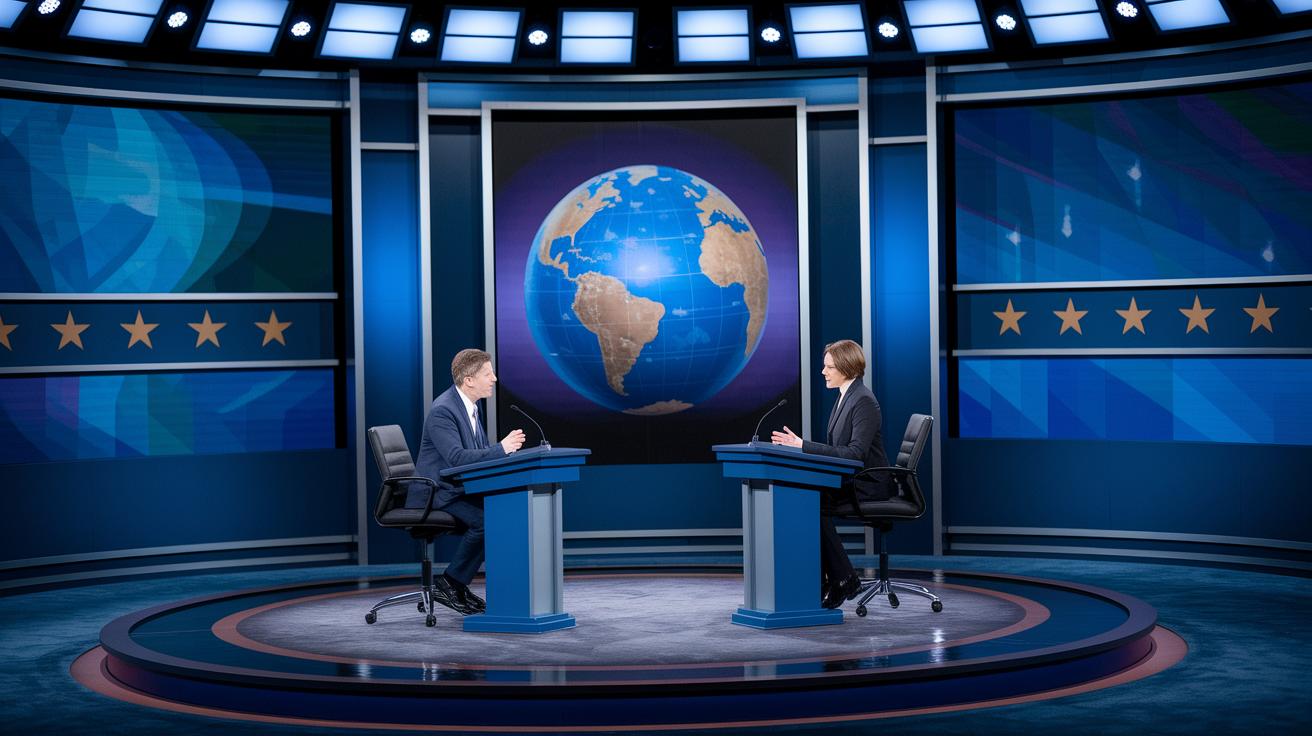
Evaluating this policy means weighing tangible benefits against clear risks. Supporters say an isolationist approach can prevent expensive foreign wars and keep the nation focused on domestic priorities and sound finances. Critics counter that such a narrow view may invite hostility, weaken key alliances, and reduce global influence.
| Pros | Cons |
|---|---|
| Helps avoid costly overseas conflicts | Could provoke adversaries |
| Directs resources toward domestic issues | Limits opportunities for global cooperation |
| Promotes fiscal responsibility and self-reliance | May weaken long-term diplomatic relations |
| Strengthens internal security focus | Risks isolating the nation internationally |
History shows isolationist policies can safeguard internal stability, but they also risk straining international bonds. Leaders must carefully assess if focusing inward can meet today's demands while managing a dynamic global environment.
Isolationist Policy Versus Interventionist Doctrine
Policymakers are divided over whether active internationalism or a more measured retreat best serves U.S. interests. After World War II, the U.S. joined NATO in 1949 and intervened in Korea in 1950. This shift made clear that military engagement can deter aggression and maintain global stability. Supporters believe that strong alliances help prevent conflicts and boost security cooperation.
Interventionists argue that U.S. involvement through alliances like NATO and actions in Korea has stabilized global politics. They say these efforts build a network of allies ready for collective defense, deterring threats and creating a predictable international order. Active engagement, they claim, is key to protecting American interests and enhancing national security.
Isolationists, however, favor fewer foreign commitments and a focus on domestic priorities. They maintain that steering clear of long-term alliances preserves national sovereignty and prevents the U.S. from being drawn into conflicts that do not serve its interests. This ongoing debate forces policymakers to constantly weigh the benefits of global engagement against the advantages of self-reliance.
Contemporary Reappraisal of Isolationist Policy and the “Restraint” Movement

American leaders are rethinking the nation’s global role. Rather than pulling out completely, they now choose targeted actions that protect key interests. This shift comes as domestic economic and political challenges force policymakers to balance national priorities with overseas responsibilities. The change redefines how America meets global obligations in a turbulent world.
Why it matters: Leaders are adjusting commitments to safeguard national security while addressing pressing home-front issues.
2021 Afghanistan Withdrawal: A Case of Selective Engagement
The 2021 pullout from Afghanistan demonstrates this selective approach in action. Critics called it isolationist, but the move was more about recalibrating ties than a complete retreat. Washington shifted its focus to vital domestic matters while keeping essential international relations intact. The decision weighed the risks of prolonged involvement against the need to protect national security, signaling a modern take on restraint.
Balancing Global Roles and Domestic Pressures
Rising economic challenges and internal political standoffs are prompting a serious rethink of U.S. foreign policy. Influential strategists note that a narrow focus on global engagements cannot ignore deep-seated domestic issues. By reducing its overseas footprint, the United States aims to address home-front hardships while still being ready to counter external threats. This balanced approach highlights an evolving policy that adapts to both global security pressures and internal demands.
Lasting Impact of Isolationist Policy on Current U.S. Foreign Relations
Lawmakers remain divided over new international partnerships. Some argue that alliances like NATO come with hidden fiscal and strategic costs, while others insist these groups are crucial for national security. The debate shows that long-held reservations about meddling abroad still affect decisions today.
Why it matters: This split could lead to strategic hesitations that influence U.S. global commitments and economic policies.
Trade discussions also reflect this cautious approach. Many policymakers and experts warn that entering trade deals might expose the country to unexpected financial risks, echoing old isolationist cautions about overcommitment.
Scholars note that while overt isolationism is no longer the rule, its legacy lingers. Since the 1940s, the U.S. has balanced domestic priorities with a shift toward global cooperation. Yet, debates over NATO funding and trade rules reveal that a hint of isolationist thinking still shapes American foreign policy.
Final Words
In the action, the blog post explored isolationist policy through a clear look at American nonintervention approach, anti-entanglement stance, and inward focus strategy. It traced the policy’s evolution from early republic warnings to legislative measures in the interwar period and weighed its pros against its risks.
The piece ended by comparing historical isolation with modern selective engagement. All this analysis equips decision-makers with concise insights, leaving room for optimism in adapting to current market and policy shifts.
FAQ
Frequently Asked Questions
What does isolationist policy mean and what is isolationism in history?
Isolationism refers to a foreign policy approach that avoids deep alliances and foreign entanglements. Historically, it shaped national strategies by emphasizing domestic focus over international commitments.
What are some examples of isolationism?
Isolationism examples include early American policies like Washington’s caution against foreign alliances, the Monroe Doctrine, and later laws such as the 1930s Neutrality Acts regulating arms exports and overseas involvement.
How did isolationism play out during World War I and World War II?
In World War I, some nations pursued limited engagements while avoiding deep commitments. Before World War II, the US favored noninvolvement through strict neutrality laws until global conflict shifted public sentiment.
Which countries are known as isolationist?
Historically, countries like the pre–World War II United States and Edo-period Japan practiced isolationist policies. In the modern era, North Korea is often noted for its strict isolation from the global community.
What defines an isolationist person?
An isolationist person supports policies that keep a nation detached from international alliances, emphasizing national self-reliance and prioritizing domestic challenges over global concerns.
What is the significance of isolationism?
Isolationism has significantly influenced national identity and security strategies. It shapes how a country manages international risks and opportunities, affecting economic policies and defense postures.
Which president was known for an isolationist stance?
President George Washington is noted for his isolationist stance, as he advised avoiding “entangling alliances” in his farewell address to protect the young nation from external conflicts.
Why might isolationism be viewed as detrimental for a country?
Isolationism can be detrimental because it may reduce a country’s ability to engage in beneficial economic partnerships, respond to global threats, and build strategic alliances necessary in today’s interconnected world.
What is considered the most isolationist country today?
North Korea is widely regarded as the most isolationist country due to its controlled engagement with the international community and strict limitations on trade and information exchange.
When did the United States most prominently pursue isolationist policies?
The United States most prominently pursued isolationism during the interwar period, especially throughout the 1920s and early 1930s, when policies such as the Neutrality Acts reflected a commitment to noninvolvement in European conflicts.