
A recession, two straight quarters of shrinking GDP, sparks a chain reaction across the economy. Companies cut back on investments and hiring slows, directly impacting consumer spending and market confidence.
Why it matters: Slower growth leads to tighter personal budgets and forces business leaders to rethink strategy and policymakers to act. We break down the key recession indicators and explore how these trends could reshape individual finances and corporate plans.
Defining what recession means: A Fresh Economic Perspective
A recession hits when a country experiences two straight quarters of negative GDP growth. This drop signals a broad slowdown affecting many parts of the economy, from business operations to personal finances.
Why it matters: Leaders and investors should watch these trends closely as they point to potential shifts in spending, hiring, and overall market activity.
Key signs of a recession include:
| Indicator | What It Shows |
|---|---|
| GDP | A decline in the total value of goods and services produced |
| Employment | Rising job losses and fewer job opportunities |
| Consumer Spending | Reduced household purchases, indicating lower demand |
| Industrial Production | A drop in manufacturing and production outputs |
| Business Investments | Lower capital spending by companies, showing caution |
Historical examples help put this in perspective. The brief two-month recession in early 2020 showed how quickly policy responses can shift the market. In contrast, the Great Depression lasted from 1929 to 1941 and remains the most severe downturn in U.S. history.
Exploring what recession means: common causes of economic downturns
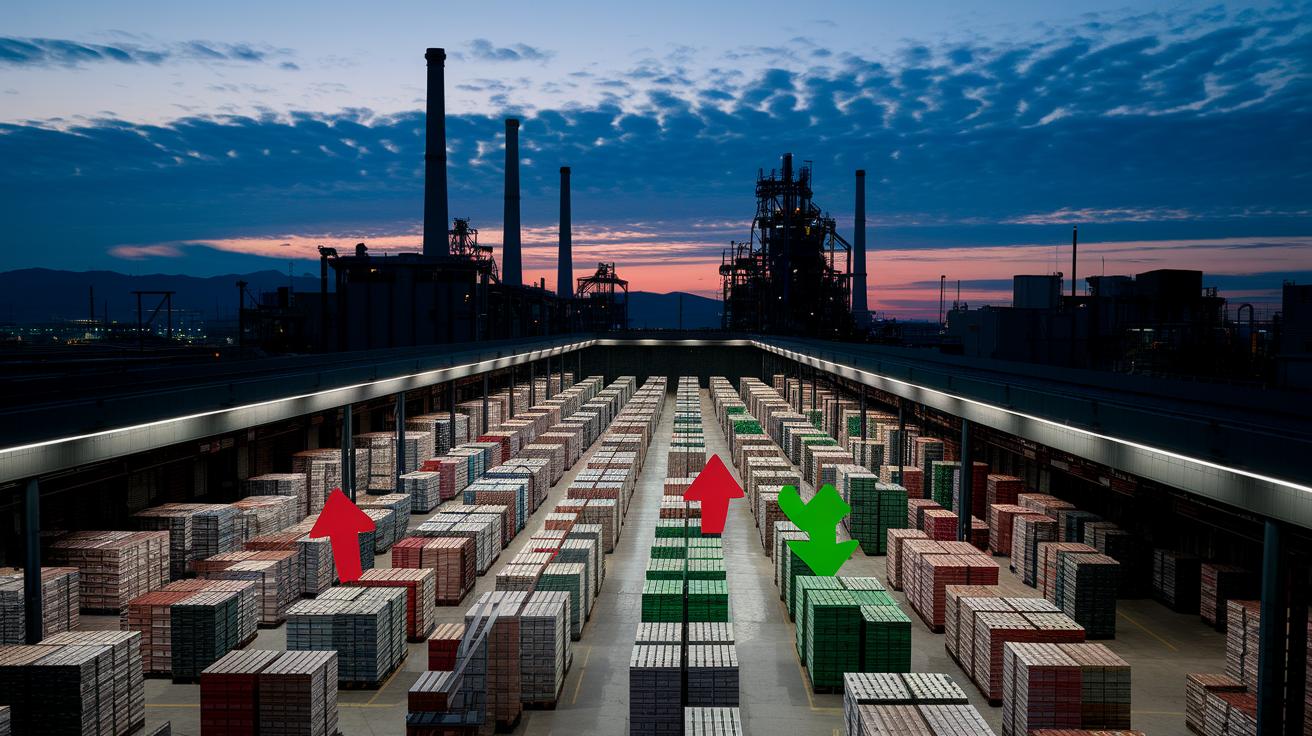
Recessions come from a mix of factors that slow down economic activity. When supply disruptions, asset spikes, unexpected events, and unbalanced policies collide, they can weaken markets and force changes in production and spending. Why it matters: These forces create a ripple effect that impacts industries, jobs and consumer behavior.
Supply Shocks
Sudden changes in the price or availability of key resources can force companies to cut back on production. For example, the 1970s oil-price surge sharply raised costs and squeezed profit margins, which led to a broader economic slowdown.
Asset Bubbles
When prices of assets rise quickly and disconnect from their true value, a bubble forms. Once the market corrects these inflated prices, the resulting drop can shake investor confidence and lead to a pullback in spending across the economy.
Economic Shocks
Unplanned events such as pandemics or rapid policy changes can upend supply chains and alter consumer habits overnight. The COVID-19 pandemic, marked by global lockdowns and disrupted supply networks, clearly illustrates how a sudden shock can push economies into recession.
Monetary and Fiscal Imbalances
When government spending or fiscal strategies stray from balanced methods, or when central banks tighten credit too quickly, the economy can slip into decline. These missteps raise borrowing costs and lower spending, further intensifying economic contraction.
Understanding what recession means for the economy: impact on growth, jobs, and markets
Recessions trigger sharp drops in employment and income as economic activities slow down. Job losses increase and household earnings fall as nonfarm payrolls decline and real personal income (income after government transfers) shrinks noticeably. Sales in wholesale and retail sectors drop along with industrial production, while business investments reel. Leaders and investors should watch these changes closely as they signal shifts that could affect capital, strategy, and risk.
| Indicator | Pre-Recession Trend | Recession Impact |
|---|---|---|
| Nonfarm Payroll Employment | Steady hiring and consistent growth | Significant drop with rising layoffs |
| Real Personal Income Less Transfers | Gradual increases that boosted spending | Declines that cut household buying power |
| Wholesale and Retail Sales | Solid upward trend in consumer demand | Sharp fall as consumers tighten budgets |
| Industrial Production | Steady growth in manufacturing output | Marked reduction in production capacity |
| Business Investments | Consistent capital spending and expansion | Reduced investment in growth and innovation |
Market volatility rises during recessions as lower earnings and weakened consumer confidence shake financial markets. Banks tighten credit by cutting back on loans, which further restricts business investments. As stocks swing wildly, companies and investors are forced to reassess their strategies in response to the slowing economy.
Comparing what recession means versus a depression
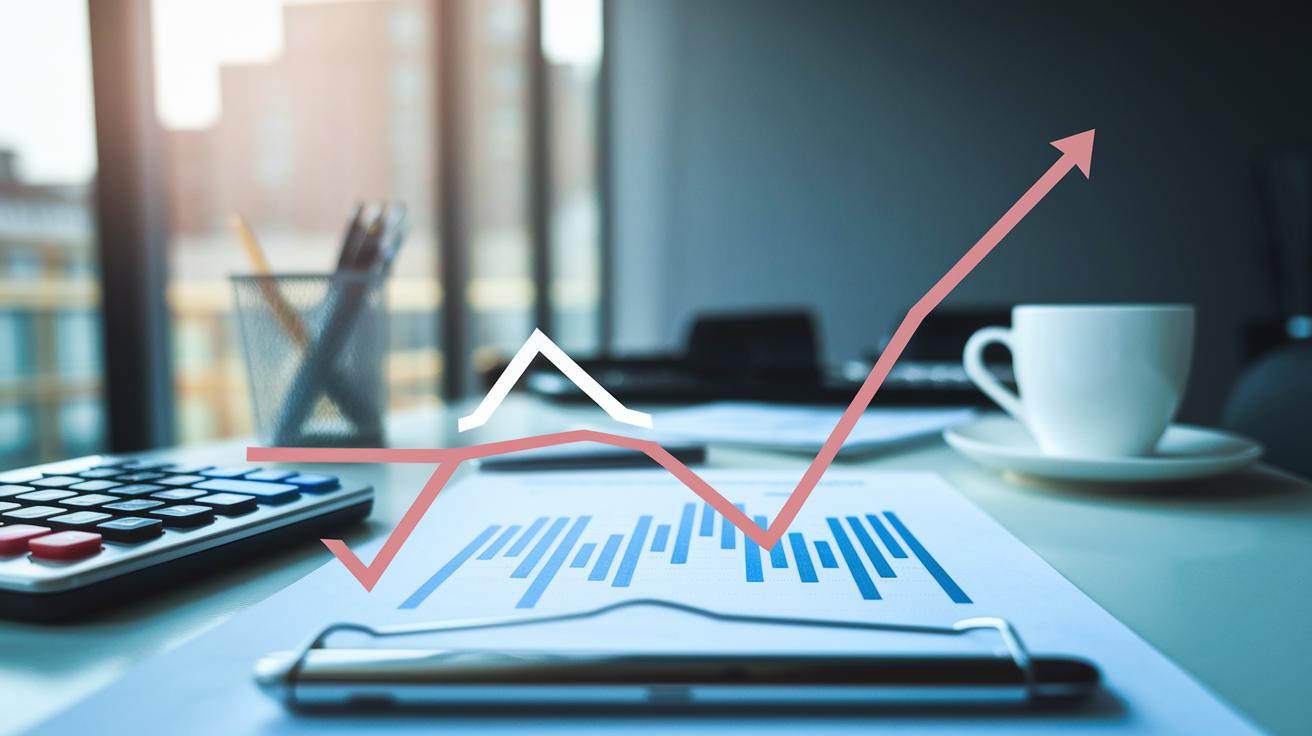
Recessions and depressions both signal tough economic times, but they differ sharply in intensity and recovery. A recession usually lasts 10 to 18 months. It sees a sharp drop in GDP and a spike in job losses. However, government moves like interest rate cuts and fiscal stimulus can help restore growth quickly.
Why it matters: Recognizing the difference informs how policymakers and investors prepare for economic turbulence.
In contrast, a depression is much more severe. Its GDP decline runs deeper and unemployment stays high for years, sometimes even over a decade. The Great Depression, which lasted from 1929 to 1941, shows the lasting scars such downturns can inflict on the economy.
Take an extreme case: The Great Depression versus the brief U.S. recession from February to April 2020. Policymakers can often steer a recession back on track with targeted measures, but the recovery from a depression requires extended and broader policy changes.
Fundamentally, recessions are painful but temporary corrections, whereas depressions reflect deep, structural economic breakdowns that demand long-term shifts in policy and strategy.
How what recession means shapes policy: monetary and fiscal responses
When the economy slows, central banks quickly lower interest rates and boost spending to ease the strain. They cut policy rates to drive demand and inject cash into financial systems. Why it matters: These moves help counter falling loans and investments during downturns.
Monetary Policy Measures
Central banks deploy several tools in a recession. They reduce interest rates so borrowing becomes cheaper, prompting businesses to invest and consumers to spend. Quantitative easing, in which banks buy government bonds and other securities, pours cash into the market. In addition, liquidity support ensures financial institutions have enough capital to keep lending. Together, these measures stabilize markets and reinforce confidence in critical times.
Fiscal Policy Measures
Governments take direct action to revive activity when economies slump. They roll out stimulus packages that fund public projects like infrastructure, creating jobs and spurring private growth. Tax cuts and relief measures boost household spending power and encourage companies to invest. By lightening the tax load, fiscal policymakers aim to ignite consumer spending and improve market sentiment.
When central banks and governments coordinate, their combined actions can speed up recovery, steady markets, and set the stage for renewed economic growth.
Current trends in recession forecasting and what recession means ahead

Economists have long tracked key indicators like GDP, nonfarm payrolls, real personal income (excluding transfers), wholesale and retail sales, and industrial production to gauge shifts in consumer demand and business activity. These measures have reliably signaled downturns even in today’s complex markets.
Why it matters: New forecasting tools mean investors and policymakers can spot troubles sooner and adjust their strategies quickly.
Recent advances in data analytics and high-frequency signals are changing how experts detect early signs of recessions. Analysts now monitor yield-curve inversions, where short-term interest rates rise above long-term ones, as a crucial early warning. They also use real-time data on transactions and supply chain movements to catch subtle shifts that traditional statistics might miss. Automated systems sift through vast amounts of data to pinpoint changes in spending and production patterns with greater speed and accuracy.
By blending time-tested economic indicators with innovative analytics, investors and policymakers get a clearer, more dynamic picture of what a recession might mean for future growth, allowing them to make informed, strategic decisions.
Lessons from past recessions: what recession means in U.S. history
Over the years, U.S. recessions have shown that economic downturns come in cycles that force policy changes and business adaptations. The Great Depression (1929–1941) stands as the longest economic slump in the nation, marked by soaring unemployment and a severe fall in GDP. That period pushed lawmakers and company leaders to overhaul financial safeguards, resulting in lasting regulatory reforms and stronger social safety nets.
The recession of 1969–1970 unfolded against a backdrop of low unemployment, around 3.5%, but inflation began rising due to war-related spending. This episode proved that even a strong labor market can buckle under high costs, disturbing the economic balance. Not long after, the 1973–1975 recession hit following a sharp oil-price shock. The oil shock sparked stagflation, a rare mix of slow growth and high inflation, exposing weaknesses in energy-dependent sectors and supply chain stability.
In contrast, the 2020 COVID-19 recession saw the quickest economic contraction ever, lasting just two months as lockdowns abruptly shut down activity. Why it matters: Each recession, whether marked by deep structural shifts or sudden market disruptions, has shaped today’s approach to economic strategy and risk management.
Practical strategies for individuals and businesses: what recession means for financial planning
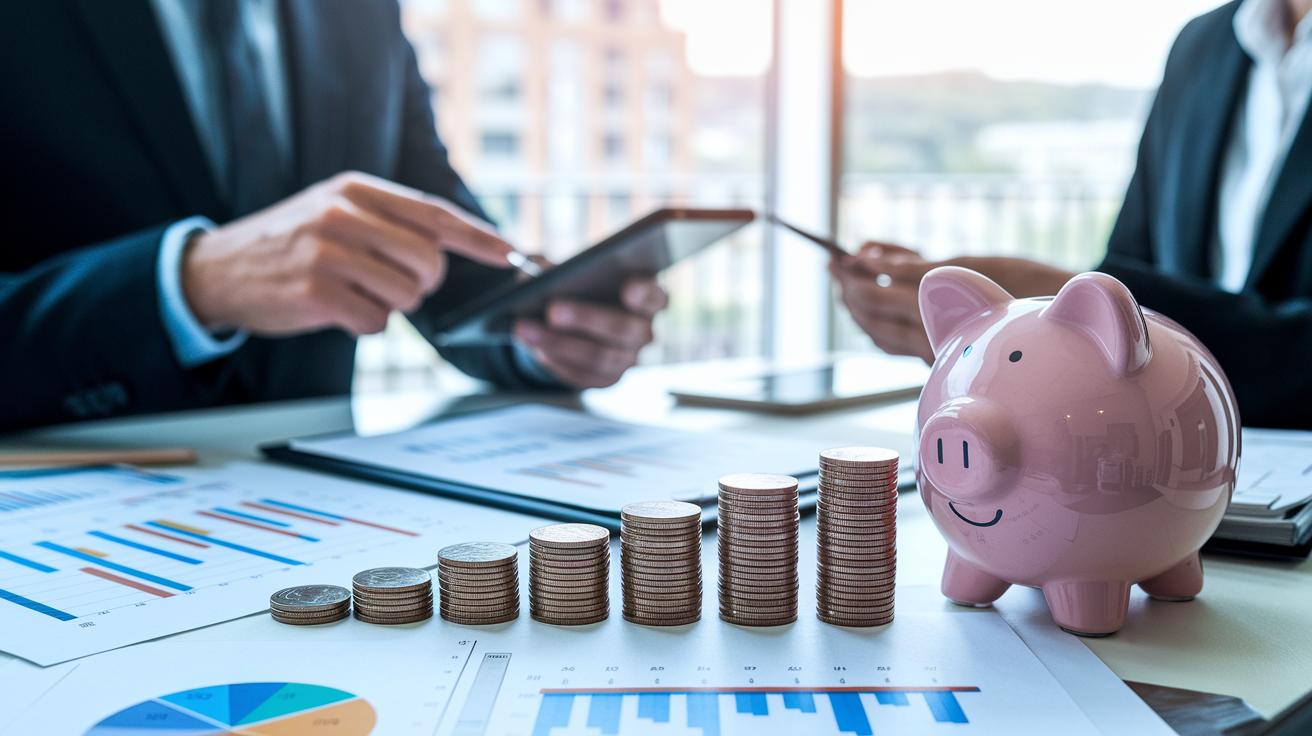
Both households and companies must take action now to prepare for an economic slowdown. Start by reviewing your budget and cutting unnecessary expenses to free up cash. This careful management can reduce the strain from high-interest debt during slower periods.
Why it matters: A stronger cash position helps you avoid financial stress when income drops.
Boost your savings to cover six months of essential costs. Individuals can build an emergency fund by setting aside a portion of every paycheck, while businesses should consider increasing reserves to stay flexible during lean times.
Evaluate your skills and assets to stay competitive. People may benefit from training in areas like healthcare, education, or skilled trades that often remain stable in a recession. Companies should look to upskill their teams to meet shifting market demands. Keep your liquidity intact by avoiding over-reliance on credit or premature retirement fund withdrawals.
Develop a solid financial plan that addresses current challenges and sets you up for future opportunities when the economy rebounds. Taking these proactive steps now can enhance resilience and strengthen financial stability for both individuals and businesses.
Final Words
In the action, our overview clarified what recession means by detailing its definition, core indicators, and key causes. We examined the impact on jobs, growth, and markets while contrasting recessions with depressions. We also broke down the monetary and fiscal responses and modern forecasting trends.
Lastly, practical strategies for businesses and households rounded out the analysis, providing actionable insights. A clear grasp of what recession means helps decision-makers act swiftly, manage risks, and uncover opportunities in a shifting economic landscape.
FAQ
What recession means in stock market
The term recession means in the stock market that investors face declining share prices, increased volatility, and reduced corporate profits during economic slowdowns.
What recession means reddit
The phrase recession means on Reddit typically refers to a period of economic decline, with community members sharing opinions and personal experiences related to job losses and reduced spending.
What recession means in economics
The term recession means in economics a period where overall economic activity contracts, marked by two consecutive quarters of negative GDP growth, rising unemployment, and lower consumer spending.
Recession vs depression
Recession vs depression distinguishes a short-term economic contraction, usually lasting less than two years, from a depression, which features prolonged, severe economic downturn and much higher unemployment.
What causes a recession
The causes of a recession include supply shocks, financial imbalances, bursting asset bubbles, policy errors, and sudden external events that disrupt consumer spending and investment.
Recession example
A common recession example is the 2020 downturn, where pandemic-related disruptions led to a fast, sharp decline in economic activity and significant market volatility.
Recession indicator meaning
The term recession indicator meaning refers to economic measures—such as declining GDP, reduced industrial output, and rising unemployment—that signal the onset of an economic contraction.
What are 5 causes of a recession
Five causes of a recession include supply shocks, financial crises, policy imbalances, bursting asset bubbles, and unexpected events like a global health crisis that curb economic activity.
What happens during a recession?
The question about what happens during a recession indicates that overall economic activity contracts, leading to falling GDP, rising unemployment, reduced consumer spending, and increased market volatility.
Is a recession good or bad?
The term recession means generally bad since it brings economic decline, higher unemployment, reduced incomes, and market uncertainty, although it can sometimes prompt reforms to address imbalances.
What is a recession in simple terms?
In simple terms, a recession means an economy is contracting, with falling production, growing unemployment, and decreased spending, as seen when GDP declines for at least two consecutive quarters.
How does a recession affect the average person?
The term recession means the average person may experience job losses, lower income growth, reduced job opportunities, and higher costs for goods as the economy slows down.